
Fiat Linea Classic
Overall Rating
Fiat Linea Classic Key Specifications
Fiat Linea Classic Overview

The Fiat Linea Classic, a simplified version of the standard Linea, is no longer available as a new car in India, with its production ceasing around 2016-2017. The Linea Classic was positioned as a robust and comfortable sedan, appealing to buyers who prioritized solid build quality and a comfortable ride over a long feature list. Its primary owner type was typically a family or individual seeking a dependable, no-nonsense sedan for city and highway use. As a used purchase, the Linea Classic offers a compelling package for its robust chassis and the renowned 1.3-litre MultiJet diesel engine. However, challenges include spare part availability and service support due to Fiat's exit from the Indian market, and the NCR 10-year diesel and 15-year petrol vehicle ban.
Engine and Performance
Engine and Performance
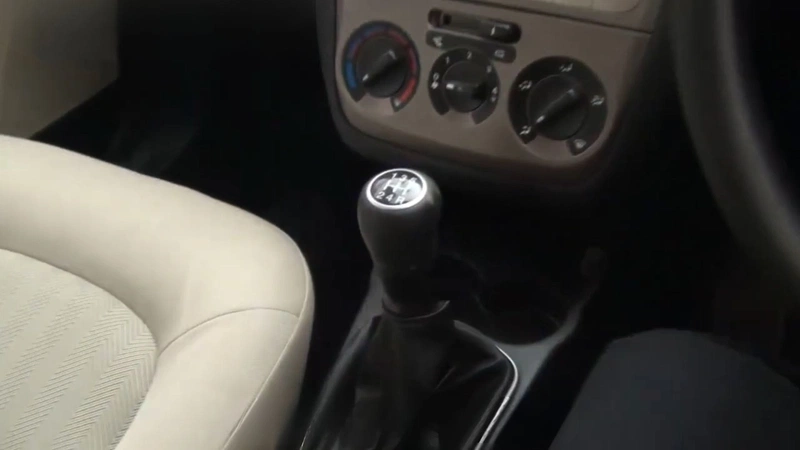
The Fiat Linea Classic, from its last model years, was primarily offered with two reliable engine options: 1.4-litre FIRE Petrol: This naturally aspirated four-cylinder petrol engine produced around 88 bhp of power and 115 Nm of torque. It was paired with a 5-speed manual transmission. 1.3-litre MultiJet Diesel: This widely acclaimed turbocharged four-cylinder diesel engine produced around 90 bhp of power and 209 Nm of torque. It was paired with a 5-speed manual transmission.
In real-world performance, the petrol engine offered adequate power for city commutes and relaxed highway cruising, known for its smooth power delivery. The MultiJet diesel, however, was the more popular choice, celebrated for its strong low-end torque, making it highly tractable in city traffic and efficient on highways. It offered a robust mid-range, making overtakes relatively easy. Fuel economy was a significant strength, with the petrol variants typically returning around 14-16 kmpl in mixed conditions, while the diesel variants were exceptionally frugal, often delivering 18-20 kmpl in real-world driving. For a used purchase, meticulously check the engine for any unusual noises, excessive smoke (especially for the diesel), or visible oil/coolant leaks. Pay close attention to the turbocharger on the diesel variant for whistling noises or lack of boost. The clutch should feel smooth; a hard or juddering clutch indicates wear. Check for any flat spots in acceleration or hesitation, which could point to fuel system issues or clogged filters.
Ride and Handling
The Fiat Linea Classic, from its last model years, was widely praised for its comfortable and composed ride quality, a hallmark of Fiat vehicles. The suspension setup (MacPherson struts at the front and a torsion beam at the rear) was tuned effectively to absorb road imperfections, making it adept at handling India's often challenging road conditions, including bumpy stretches and potholes, with remarkable ease. This resulted in a plush and comfortable experience for all occupants.
Handling was predictable and stable, especially at higher speeds on highways, instilling confidence in the driver. While it wasn't a corner carver, its European DNA ensured a planted feel. The hydraulic power steering, though a bit heavy at parking speeds, offered good feedback and precision as speeds increased. Panic or emergency braking performance was adequate, with the car maintaining its composure. For a used purchase, listen for any unusual thudding or clunking noises from the suspension over bumps, which could indicate worn bushes, shock absorbers, or ball joints. Check for any excessive play in the steering wheel or a tendency for the car to pull to one side, which might suggest steering rack issues or alignment problems. Uneven tyre wear patterns can also be a sign of underlying suspension or alignment concerns.
interior
interior
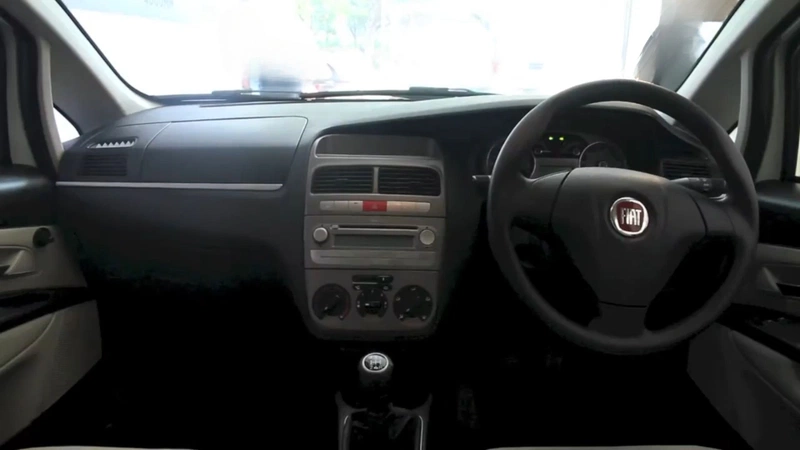
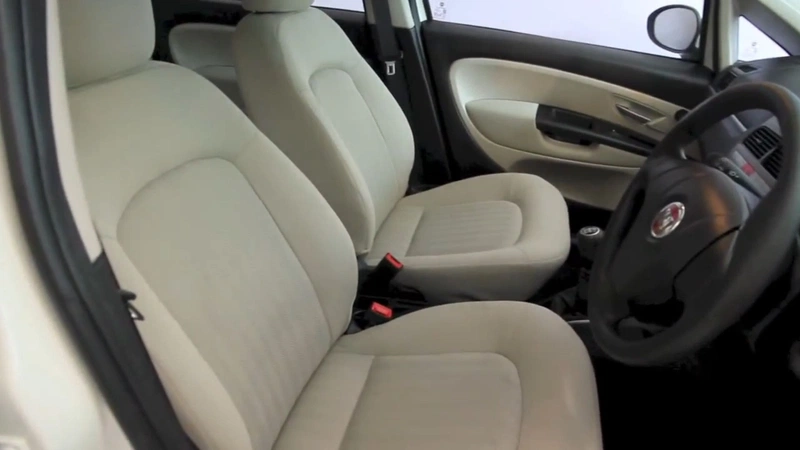
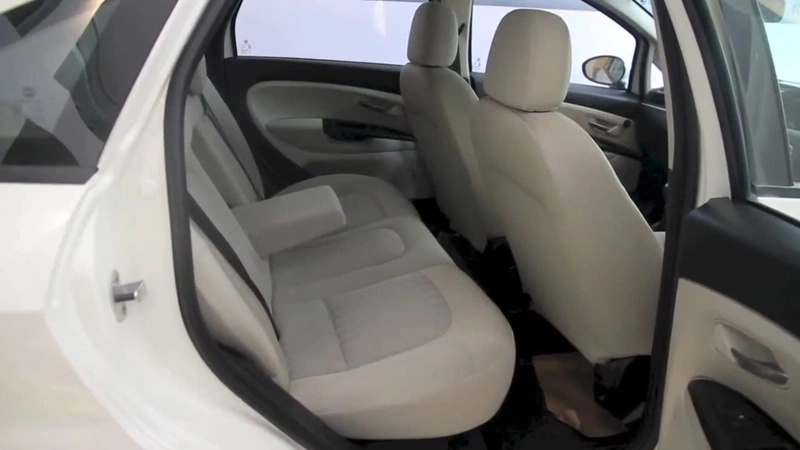
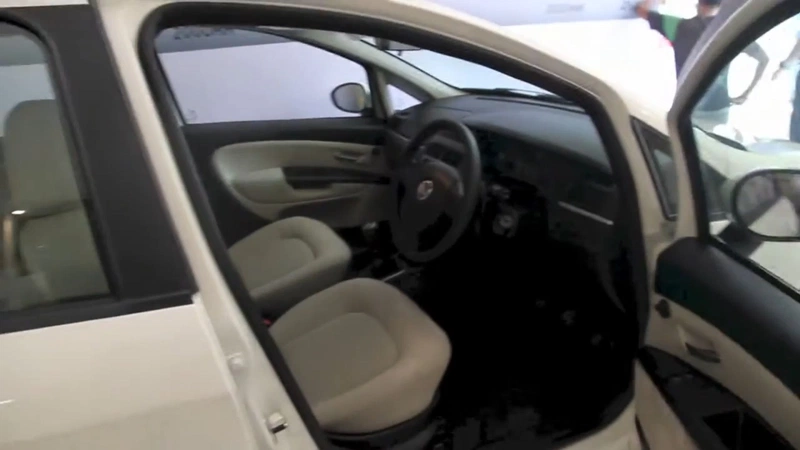
The interior of the Fiat Linea Classic, from its last model years, was designed for practicality and comfort, featuring a dual-tone dashboard layout. While it lacked the premium finishes of its more expensive siblings, the build quality was generally solid, with durable plastics. Seating was for five occupants, with the front seats offering good support. Rear-seat space was adequate for two adults, though three might find it a squeeze on longer journeys, typical for a sedan of its class.
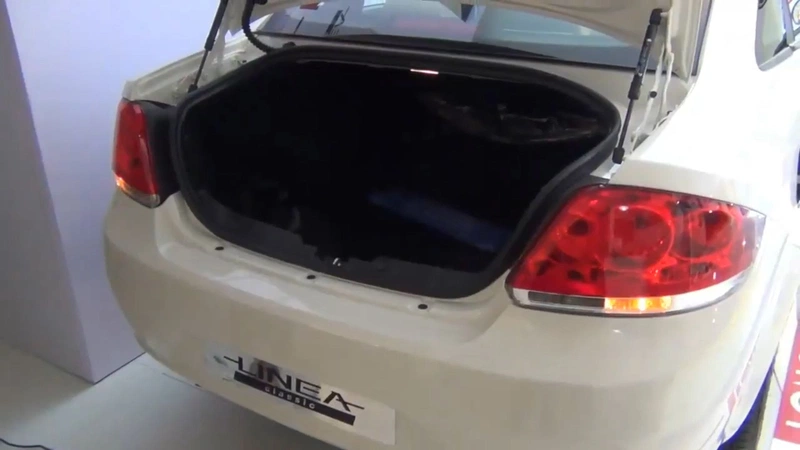
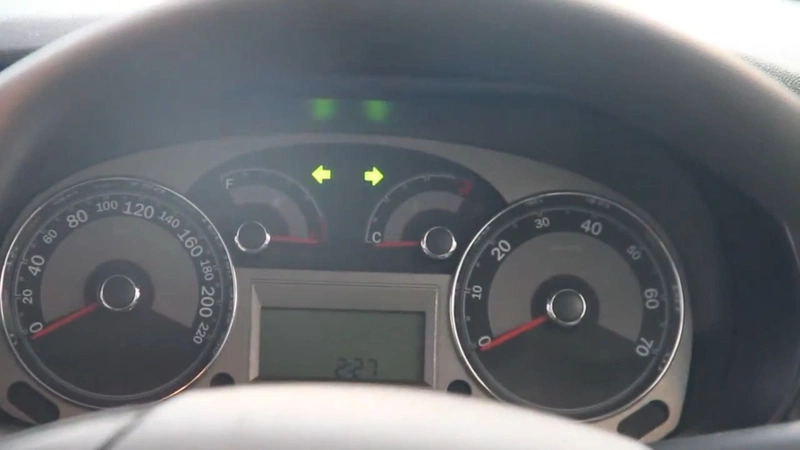
Cargo space was a notable strong point, with a generous boot capacity of approximately 500 litres, capable of swallowing multiple large suitcases for family trips. Storage spaces inside the cabin were practical, including a decent glovebox and door pockets. When considering a used Linea Classic, thoroughly inspect the seat fabric or leatherette for tears, excessive wear, or sagging, especially on the driver's seat. Test all power windows and central locking mechanisms, as their motors can be prone to failure with age. Verify the effectiveness of the air conditioning system, ensuring it cools adequately and quickly, as AC compressor issues can be expensive. Listen for any persistent dashboard rattles or squeaks, which were common complaints in some Fiat models and can indicate loose fittings. Check the functionality of all interior lights and the instrument cluster for any non-functional segments or persistent warning lights.
Infotainment
The infotainment system in the Fiat Linea Classic, from its last model years, was a basic setup, reflecting its value-oriented positioning and the technology available at the time. Most variants came with a simple 1-DIN or 2-DIN audio system. This typically included an AM/FM radio, a CD player, and often an Aux-in port and USB connectivity for media playback.
Bluetooth connectivity for mobile phone pairing was usually available on higher variants, allowing for hands-free calling and basic audio streaming. There were no integrated touchscreens, advanced smartphone integration features like Apple CarPlay or Android Auto, or factory-fitted navigation systems. The controls were primarily physical buttons and knobs, which were straightforward to operate. The audio quality was functional, suitable for basic listening, but not a highlight. For a used purchase, it is crucial to verify the full functionality of the existing audio unit. Test all inputs (USB, Aux, Bluetooth) to ensure they connect and play audio correctly without distortion. Check if all speakers are working. Given the brand's exit, any major malfunction of the factory-fitted head unit might necessitate an aftermarket replacement, so factor this into your assessment.
exterior
exterior
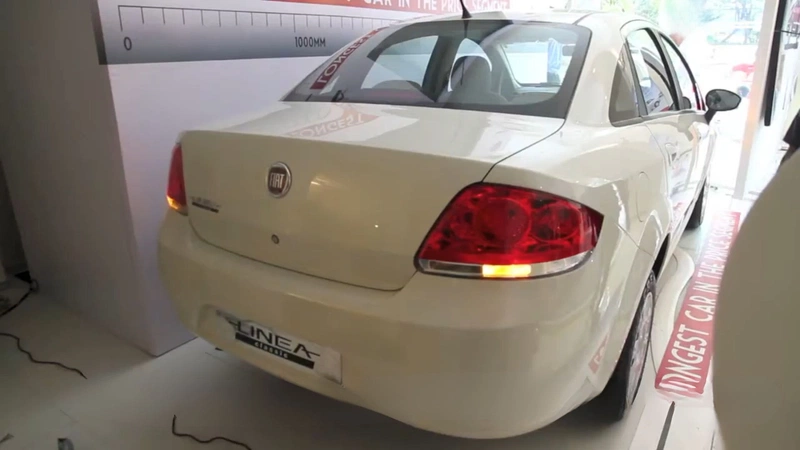
The exterior design of the Fiat Linea Classic, from its last model years, retained the elegant and timeless Italian styling of the standard Linea, albeit with some cost-cutting measures like simpler wheel designs and reduced chrome elements. It featured a clean front fascia with a prominent grille and conventional headlamps. The silhouette was that of a classic sedan, known for its well-proportioned lines and solid road presence.
Dimensions for the Linea Classic were approximately 4,560 mm in length, 1,730 mm in width, and 1,487 mm in height, with a wheelbase of 2,603 mm and a ground clearance of 185 mm (which was increased in later models for Indian conditions). When inspecting a used Linea Classic, pay close attention to the paint quality, as some older Fiat models experienced clear coat peeling or fading, particularly on darker shades. Check for rust, especially around the wheel arches, lower door sills, and boot lid, as well as underbody corrosion, which can be prevalent in regions with high humidity or coastal areas. Ensure all rubber seals around windows and doors are intact and not cracked, as their deterioration can lead to water seepage. Also, inspect the headlight units for yellowing or hazing, which affects illumination.
safety
safety
Safety in the Fiat Linea Classic, from its last model years, focused on fundamental protective measures, adhering to the basic safety regulations prevalent in India at the time. It did not undergo advanced crash testing by modern international standards like Global NCAP or Euro NCAP for the Classic variant. However, the standard Linea, on which it was based, was known for its robust build quality and solid chassis.
The Linea Classic came equipped with essential passive safety features. Standard safety equipment typically included seatbelt warnings. Higher variants might have offered dual front airbags and Anti-lock Braking System (ABS) with Electronic Brakeforce Distribution (EBD). Other common safety features included child safety locks and an engine immobilizer. For a used purchase, it is crucial to confirm if the specific variant you are considering has airbags and ABS, as these were not standard across all trims. Ensure there are no airbag warning lights illuminated on the dashboard, as this indicates a fault. Inspect seatbelts for any fraying or damage. The overall safety offering provides fundamental protection, but it is important to understand that it lacks the advanced active safety features and structural rigidity of modern cars.
competition
competition
As a discontinued sedan from 2016-2017, the Fiat Linea Classic competes in the used car market against other older compact and mid-size sedans, and also against new entry-level sedans that budget-conscious buyers might consider. Its primary rivals in the used market include older generations of the Maruti Suzuki Ciaz, Honda City, and Hyundai Verna.
Compared to a used Maruti Suzuki Ciaz, the Linea Classic offers a more robust build and a potentially more comfortable ride, though the Ciaz benefits from Maruti's widespread service network and better resale value. The used Honda City typically provides a more refined petrol engine and better rear-seat space, while the Linea Classic counters with its superior ride quality and the MultiJet diesel's frugality. A used Hyundai Verna from that era might offer more features and a slightly more modern interior, but the Linea Classic often feels more substantial on the road. When cross-shopped against new entry-level sedans like the Maruti Suzuki Dzire or Hyundai Aura, the used Linea Classic offers significantly more space, a more mature sedan feel, and often a more powerful diesel engine for a similar or lower price. However, the critical disadvantage for the Linea Classic is the challenge of spare part availability and service support due to Fiat's exit, along with the impending NCR vehicle ban for older models.
Buying Guide
Buying Guide
The Fiat Linea Classic, as a used car in 2025, presents a unique value proposition for buyers in India, particularly those outside the NCR region. It offers a robust build, comfortable ride quality, and the highly efficient 1.3-litre MultiJet diesel engine, all at a very attractive acquisition cost compared to its original price or new entry-level sedans. For buyers prioritizing a solid, comfortable sedan with good highway manners and exceptional fuel economy on a tight budget, the Linea Classic can be a sensible choice.
However, the decision to purchase a used Linea Classic must be made with a clear understanding of the challenges. Fiat's complete withdrawal from the Indian market means sourcing specific spare parts can be difficult and expensive, potentially leading to longer repair times. Furthermore, the NCR vehicle ban is a critical factor: a 2016 diesel model would be banned by 2026, and a petrol model by 2031. This severely limits its long-term usability in the capital region. For those outside NCR willing to manage potential service complexities and with access to independent mechanics familiar with Fiat vehicles, a well-maintained diesel variant of the Linea Classic, specifically from its later model years (2014-2016), would be the best pick for its combination of performance, efficiency, and comfort.
Fiat Linea Classic mileage
The Fiat Linea Classic mileage ranges from 14.9 to 19.5 kmpl. The Manual Diesel variant has an ARAI mileage of 19.5 kmpl. The Manual Petrol variant has an ARAI mileage of 14.9 kmpl.
| Fuel Type | Transmission | ARAI Mileage | * City Mileage | * Highway Mileage |
|---|---|---|---|---|
| Diesel | Manual | 19.5 kmpl | - | - |
| Petrol | Manual | 14.9 kmpl | - | - |