
Fiat 1100 Key Specifications
Fiat 1100 Overview
The Fiat 1100 has a long history in India, dating back to 1954 when the first cars were imported and later assembled by Premier Automobiles in Mumbai. The early cars were sold as the Millecento, Elegant, Select and Super Select before the 1100D Delight arrived in 1964.
The car used a 1.1-litre four-cylinder petrol engine with rear-wheel drive and a four-door sedan body.
From 1972, the same basic car gradually moved away from the Fiat name, first becoming the Premier President and then the Premier Padmini from 1974.
The Padmini retained the 1.1-litre Fiat-derived mechanical package and remained in production until 2000, giving the 1100 one of the longest production runs of any early Indian passenger car.
Engine and Performance
Engine and Performance
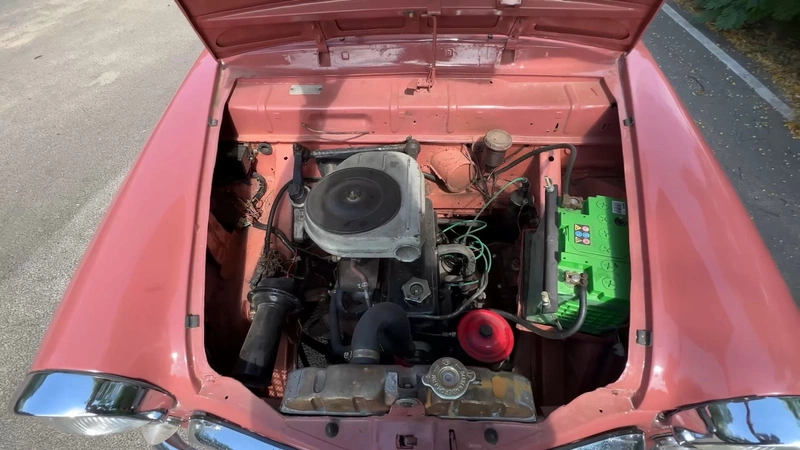
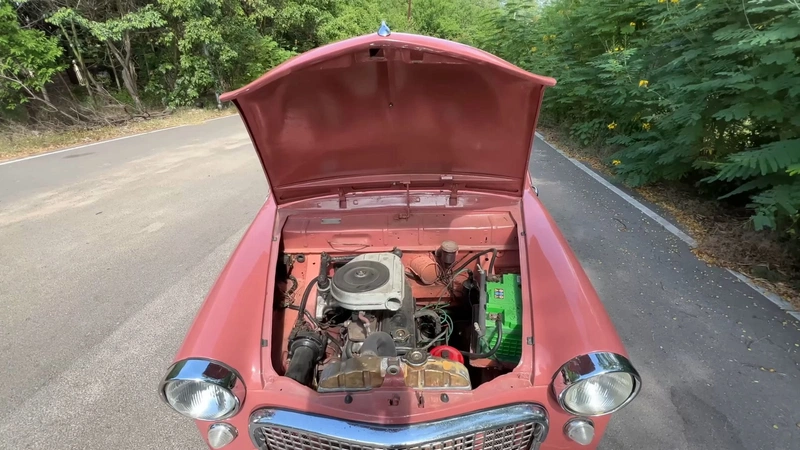
The Fiat 1100 was powered by a reliable 1,089 cc (1.1-litre) four-cylinder petrol engine, which was later slightly uprated in some Premier Padmini versions. Initially, this engine produced around 36 bhp, with later Padmini S1 models reaching about 50 bhp. Power was transmitted to the rear wheels via a 4-speed manual gearbox, often with a column-mounted shifter.
For a classic car in 2025, the performance is modest by modern standards. Acceleration from 0-100 km/h would be leisurely, and top speeds are generally around 120-130 km/h. The engine is known for its simplicity and robustness, making it relatively easy to maintain for experienced mechanics. Common maintenance considerations for a classic car include ensuring the carburetor is clean and tuned, checking for oil leaks, maintaining the cooling system, and regularly servicing ignition components. Fuel efficiency would also be significantly lower than modern vehicles. Spare parts for the engine and drivetrain are generally available in India, thanks to the Premier Padmini's long production run, though sourcing original or high-quality components might require specialist contacts.
Ride and Handling
The ride and handling characteristics of the Fiat 1100 are typical of a small family car from its era. It features an independent front suspension with coil springs and a conventional live rear axle with leaf springs. This setup provides a relatively soft and pliant ride, capable of absorbing bumps and uneven road surfaces, which was well-suited for the infrastructure of its time.
The steering is unassisted, meaning it requires more effort, especially at low speeds. There is a noticeable amount of body roll in corners, and the handling is not as precise or agile as modern cars. The focus was on comfortable family transport rather than sporty dynamics. For enthusiasts in 2025, driving a Fiat 1100 offers a raw and engaging experience, demanding more driver input and providing a direct connection to the road that is often missing in contemporary vehicles. It's a car that encourages a relaxed driving style, appreciating the journey rather than just the destination.
interior
interior
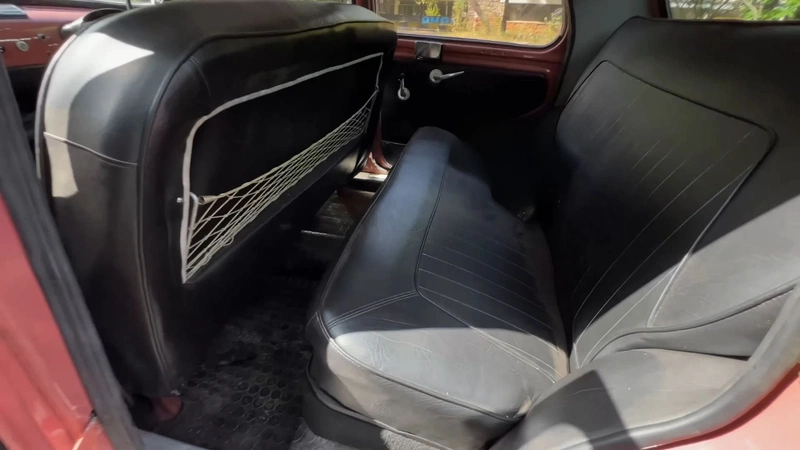
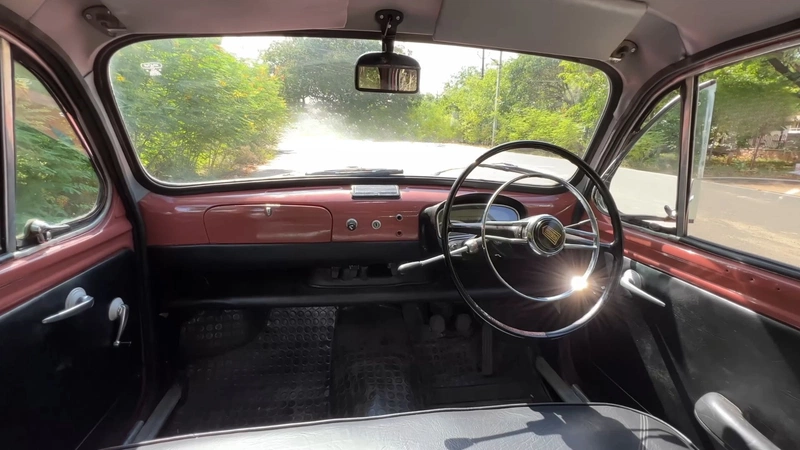
The interior of the Fiat 1100 is a testament to the automotive design of its era, prioritizing simplicity, functionality, and a certain vintage charm. Depending on the specific variant (Elegant, Select, Delight, Padmini), the interior features may vary, but common elements include a spacious cabin for its compact size, often with bench seats in earlier models to accommodate more passengers.
Materials typically consist of durable fabrics or vinyl for upholstery, with metal and plastic elements on the dashboard. A distinctive feature in many models is the ribbon-type speedometer and toggle switches for various functions, which offer a unique tactile experience compared to modern controls. For a classic car in 2025, the interior condition will largely depend on its history and previous restoration efforts. Prospective buyers should look for intact upholstery, functional gauges, and the overall state of the dashboard and trim. While lacking modern conveniences like large touchscreens or advanced climate control, the interior provides a comfortable and nostalgic environment for enthusiasts.
Infotainment
In the context of the 2025 automotive landscape, the Fiat 1100, as a classic car, predates modern infotainment systems. Original models would have featured a basic AM radio, if any, and a simple heater. There is no central touchscreen, digital driver display, or smartphone connectivity.
The "infotainment" experience in a Fiat 1100 is purely analog. It involves the mechanical sounds of the engine, the tactile feel of the steering wheel and column-mounted gear shifter, and the visual engagement with its classic gauges. Owners in 2025 typically embrace this simplicity, often adding aftermarket classic-look radios or discreet Bluetooth speakers for modern audio needs, without altering the car's original character. The focus is on the pure driving experience and the connection to a bygone era, rather than digital distractions.
exterior
exterior
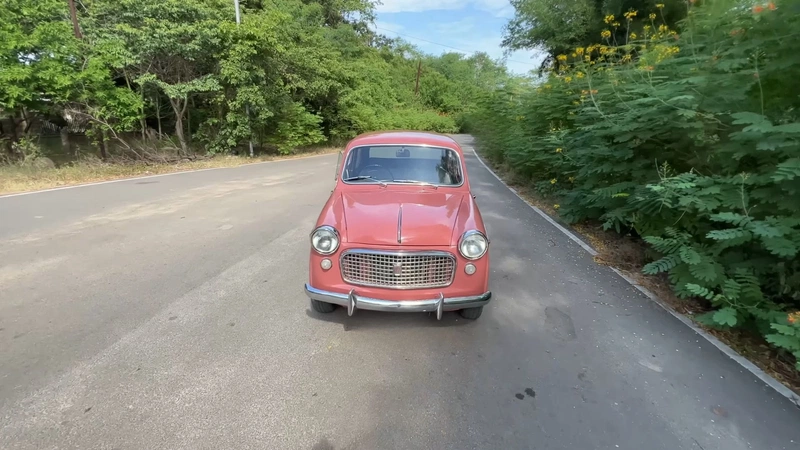
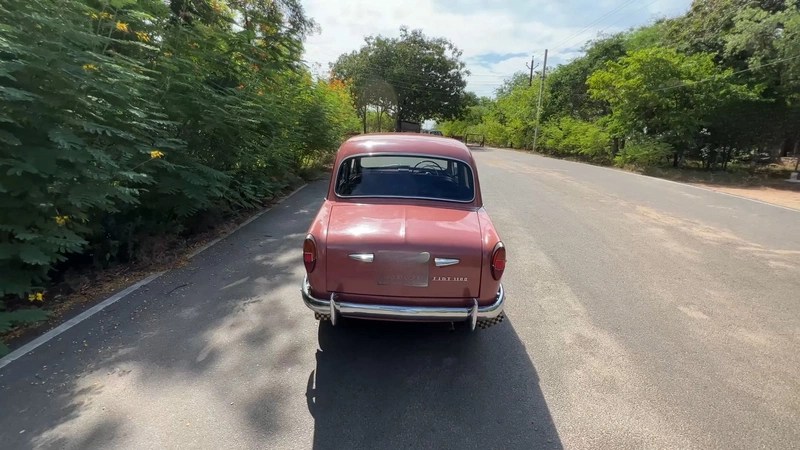
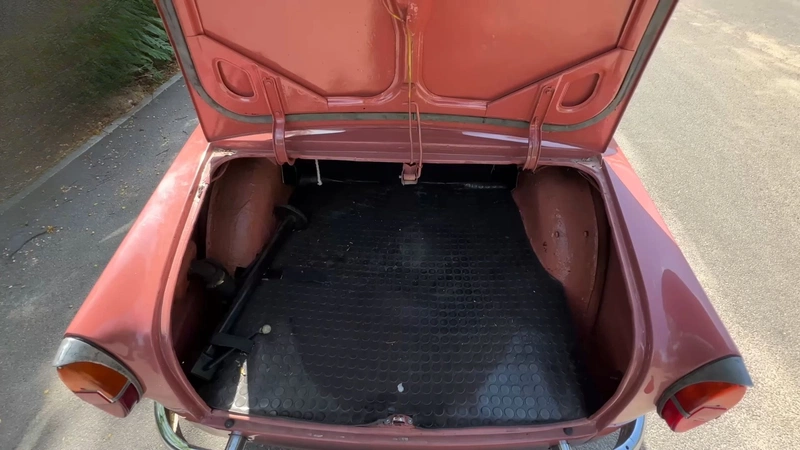
The exterior design of the Fiat 1100, particularly the earlier "Dukkar" (Elegant) models and the later "Select," "Super Select," and "Delight" (which evolved into the Padmini shape), exudes a classic charm. The early models are characterized by their curvaceous lines, rounded rear-ends, and sometimes distinct center-mounted front lights. Later iterations, like the Padmini, adopted a more rectangular yet still elegant silhouette.
Key exterior features include chrome accents, distinctive grilles, and classic round headlamps. For a car of its age, the condition of the bodywork is paramount. Potential owners in 2025 should inspect for rust, especially in common areas like wheel arches, floorboards, and sills, as well as the condition of chrome trim and paintwork. Many surviving examples have undergone restoration, with varying degrees of authenticity and quality. The overall aesthetic remains appealing to those who appreciate vintage automotive design, standing out distinctly from contemporary vehicles.
safety
safety
The 2025 Fiat 1100, as a product of mid-20th-century automotive engineering, lacks the advanced safety features found in modern vehicles. It was designed to meet the safety standards of its time, which were significantly less stringent than today's.
Passive safety features are minimal, typically limited to a sturdy steel body construction. There are no airbags, Anti-lock Braking System (ABS), Electronic Stability Control (ESC), or advanced driver-assistance systems (ADAS). Seatbelts, if present, might be two-point lap belts or later fitted three-point belts. The braking system, usually drum brakes on all four wheels, requires more stopping distance and effort compared to modern disc brakes. Owning and driving a Fiat 1100 in 2025 requires a heightened awareness of its inherent safety limitations, and drivers must exercise extreme caution, especially in modern traffic conditions.
competition
competition
In 2025, the Fiat 1100, as a classic car, does not have direct competition from new vehicles. Its "rivals" are other vintage cars from its era that appeal to collectors and enthusiasts. In the Indian context, its primary contemporaries would be other popular classics that shared the roads during its heyday.
These include the Hindustan Ambassador, known for its robust build and spacious interior, and the Standard Herald, which offered a more sporty and European design. While each of these classics has its own unique appeal, the Fiat 1100 (and Premier Padmini) often stands out for its Italian design lineage, its reputation as a "driver's car" in its time, and its relatively simpler mechanics compared to some imported classics. The choice among these classics often comes down to personal preference for design, driving feel, and the availability of parts and specialist knowledge within the local classic car community.
Buying Guide
Buying Guide
The 2025 Fiat 1100 is more than just a used car; it's a living piece of automotive history, particularly in India. It offers a unique and engaging driving experience that connects the owner directly to the road and a bygone era of motoring. While it lacks modern amenities and safety features, its mechanical simplicity, robust build, and enduring charm make it a rewarding vehicle for the right enthusiast.
Owning a Fiat 1100 in 2025 is a commitment to preservation and passion. It requires regular maintenance and an understanding of classic car quirks, but the vibrant community of Fiat enthusiasts in India provides ample support. For those seeking an affordable entry into classic car ownership, a slice of Indian automotive heritage, and a vehicle that consistently turns heads and sparks conversations, the Fiat 1100 remains an undeniably appealing choice.
Fiat 1100 FAQs
When was the Fiat 1100 discontinued in India?
−The Fiat 1100 was discontinued in India in the 2000-2001's
What replaced the Fiat 1100 in India?
+Its Indian production lineage continued through the Premier Padmini, which was derived from the Fiat 1100 family and became the longer-running successor to the original car.