


DC Avanti
Overall Rating

DC Avanti
Overall Rating
DC Avanti Key Specifications
DC Avanti Variants & Prices
| Variant Details | Ex. Showroom Price | Compare | |
|---|---|---|---|
Avanti 2.0 L Base Model | ₹ 48 Lakh* | ||
Avanti 310 Special Edition Top Model | ₹ 60 Lakh* |
Avanti 2.0 L
Avanti 310 Special Edition
DC Avanti Comparison with similar Cars
Pros & Cons of DC Avanti
Things We Like
- Unique, exotic, and head-turning design.
- Relatively affordable acquisition cost for a "sports car" experience.
Things We Don't Like
- Severe lack of after-sales service and genuine spare part availability.
- Absence of airbags and other modern safety features.
DC Avanti Overview

The DC Avanti was an ambitious project by DC Design, spearheaded by Dilip Chhabria, and was touted as India's first homegrown sports car. Unveiled at the 2012 Auto Expo, it went into production around 2015 but was eventually discontinued around 2020. Its production numbers were limited, and it faced several challenges, including issues related to its manufacturer. This review assesses the DC Avanti's viability as a used car in 2025.
The Avanti was designed to offer a sports car experience at a relatively affordable price point compared to international counterparts. It appealed to enthusiasts looking for a unique, head-turning vehicle with a distinctive design. As a used vehicle, it offers an even more accessible entry into the sports car segment. Its core strengths lie in its exotic styling and the thrill of owning a unique Indian-made sports car. However, the most critical "flaws" for a used Avanti in 2025 are the severe difficulties with after-sales service, the scarcity of spare parts (especially for its third-party sourced engine), and its very basic safety features. These factors significantly impact its long-term ownership and overall practicality.
Engine and Performance
Engine and Performance
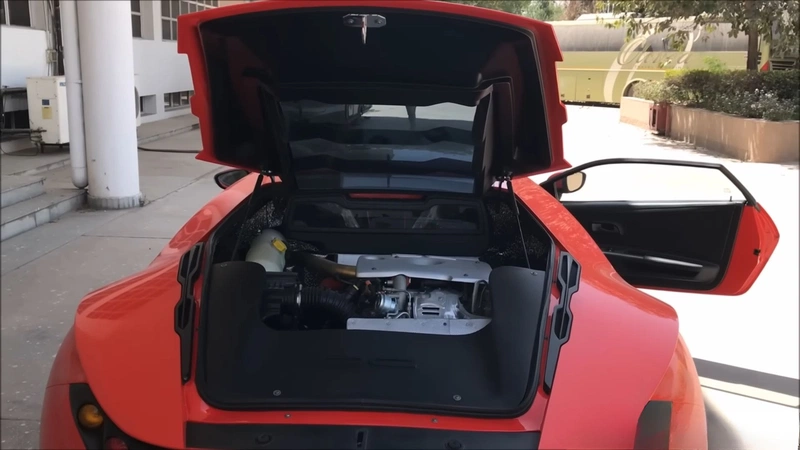
The DC Avanti was powered by a Renault-sourced 2.0-litre, 4-cylinder, turbocharged petrol engine. This EURO-4 compliant engine was capable of producing approximately 250 bhp of maximum power at 5500 rpm and 340 Nm of peak torque between 2750 and 5000 rpm. A limited edition model, launched in 2015, boasted an increased output of 310 bhp.
The engine was mated to a 6-speed manual transmission, sending power to the rear wheels. This powertrain allowed the Avanti to achieve a claimed 0-100 km/h acceleration time of around 6 seconds, with a top speed electronically limited to 200 km/h. The performance was spirited, offering a raw and engaging driving experience, especially given its relatively lightweight carbon composite body and space frame chassis. Fuel efficiency was rated at approximately 10 kmpl (ARAI). For a used purchase, a thorough inspection by a mechanic familiar with turbocharged Renault engines is crucial. Look for any unusual engine noises, smoke from the exhaust, or signs of oil leaks, as turbocharger issues or engine wear can be costly. Ensure the manual gearbox shifts smoothly without excessive play or grinding. Owners have reported that the power output, while decent, might not fully justify its "supercar" looks, and some noted a lack of refinement compared to international sports cars.
Ride and Handling
The DC Avanti's ride and handling characteristics were a mixed bag, aiming for a sporty feel while contending with Indian road conditions. It featured a double-wishbone suspension setup at both the front and rear. This configuration, combined with its low center of gravity and wide stance, provided a reasonably stable and planted feel on smooth tarmac.
However, its sporty tuning and low profile meant that the ride could be firm and jarring over broken roads, potholes, and speed bumps, which are prevalent in India. The ground clearance of 170 mm, while higher than some international sports cars, still required caution over rough patches. Handling was direct, with power-assisted electric steering offering decent feedback. There was a tendency for the car to feel unsettled at very high speeds or during aggressive maneuvers, and some owners reported a lack of refinement in handling compared to more established sports car brands. For a used purchase, check for any unusual noises from the suspension over bumps, which could indicate worn components. Also, inspect the large 20-inch tires (255/35 R20 front, 295/30 R20 rear) for uneven wear, which might suggest alignment issues or hard driving.
interior
interior
The interior of the DC Avanti was designed to complement its sporty exterior, offering a driver-focused two-seater cockpit. The cabin often featured a dual-tone theme, with leather upholstery used extensively on the doors, dashboard, and seats. While the overall layout was functional, it leaned towards a minimalist approach, with a focus on essential driving controls.
The instrument cluster, steering wheel, and AC controls were basic units. Seating was for two occupants, with bucket seats designed to hold the occupants firmly during spirited driving. Interior storage options were limited, reflecting its sports car nature rather than practicality. When evaluating a used Avanti, thoroughly inspect the leather upholstery for wear, cracking, or fading, as quality can vary. Test the functionality of all basic electrical components, including power windows and the air conditioning system. Some owners reported that the interior quality, particularly plastics, might not match up to international luxury car standards, so look for any loose fittings or persistent rattles.
Infotainment
The infotainment system in the DC Avanti was relatively basic, consistent with its focus on driving dynamics rather than advanced in-car technology. It typically featured a touchscreen music system, which was a notable inclusion for an Indian-made sports car at its launch.
The system included standard audio functionalities such as AM/FM radio, MP3 playback, USB compatibility, and AUX input. While it offered Bluetooth connectivity for phone and audio streaming, advanced features like Apple CarPlay, Android Auto, or integrated GPS navigation were generally absent. The number of speakers was usually around six, providing a functional audio experience. Steering-mounted controls for the infotainment system were not universally available across all variants, meaning most interactions were directly through the touchscreen or physical buttons on the console. Given the car's age and niche nature, any significant malfunction of the infotainment unit would likely require an aftermarket replacement, as original parts or specialized repairs could be challenging to find.
exterior
exterior
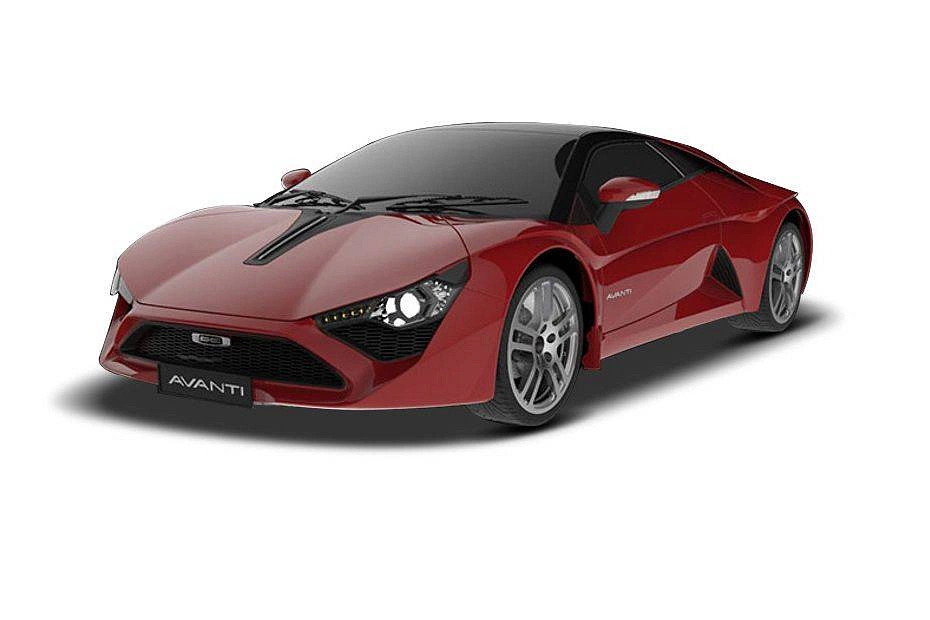
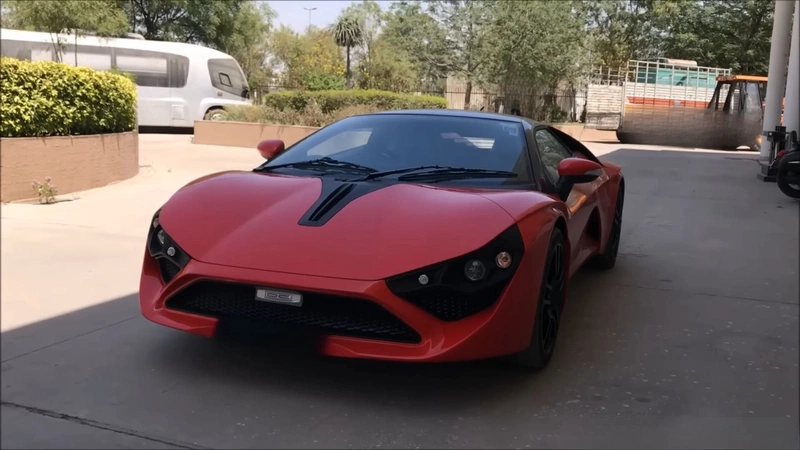
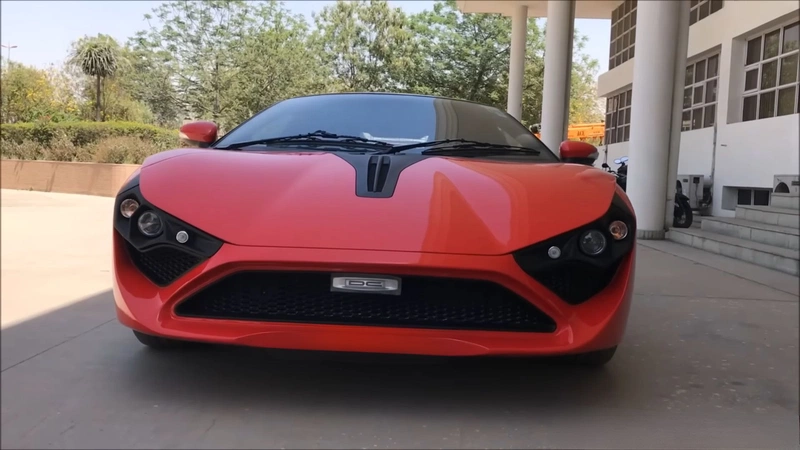
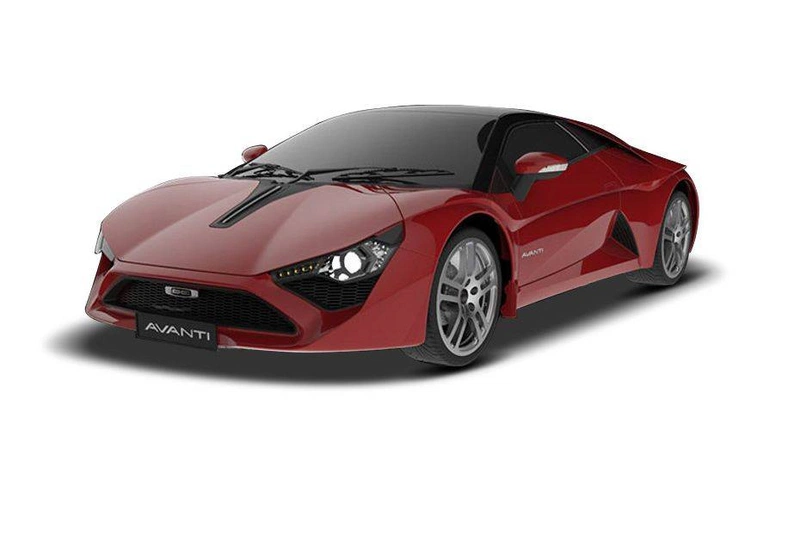
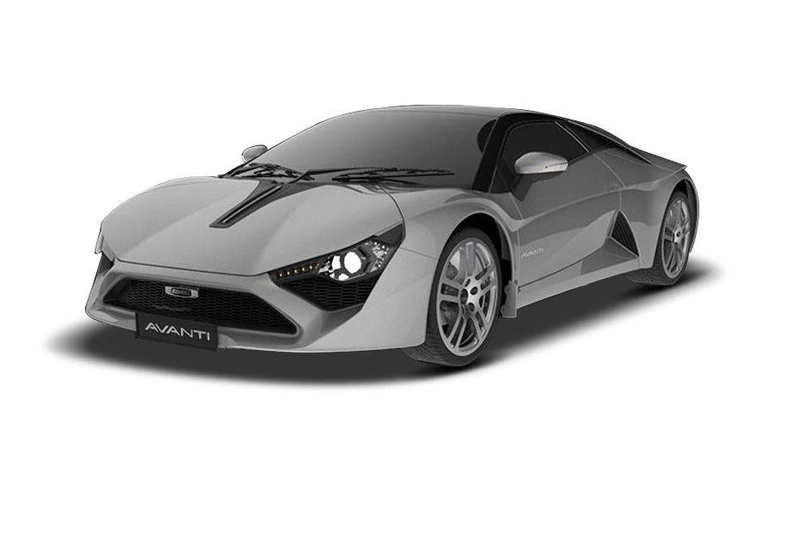
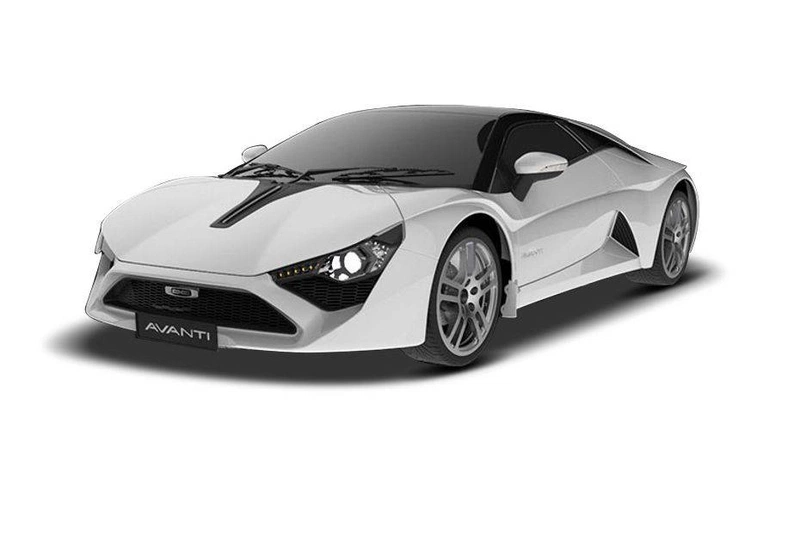
The exterior design of the DC Avanti is its most striking feature, characterized by a low-slung, aggressive, and aerodynamic silhouette. It drew inspiration from global supercars, with a long, low bonnet that dips in the middle to emphasize the DC Design logo. The front fascia featured a massive mesh air intake and trapezoid bumper, giving it an aggressive look. Bi-xenon headlamps with eyebrow-shaped LED DRLs added to its distinctive appearance.
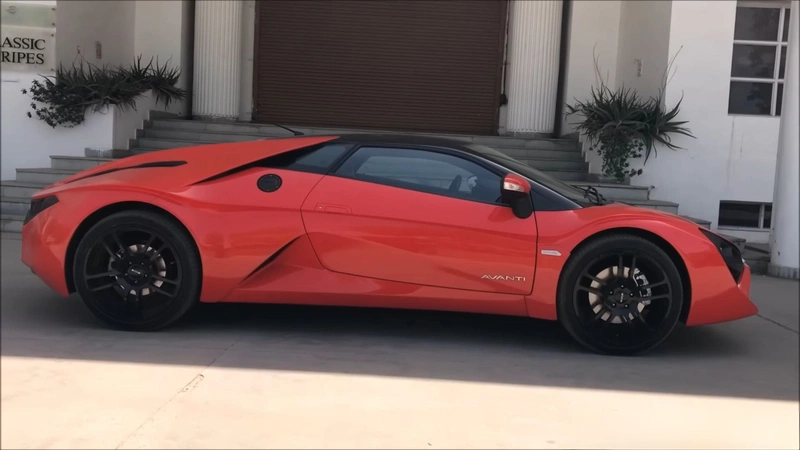
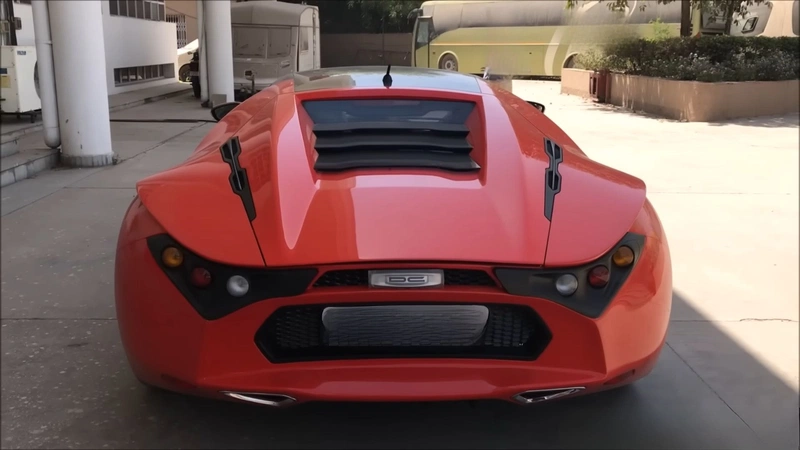
The side profile was long and sleek, with a sharply raked windscreen and a rear roofline that seamlessly blended into the engine bay. Foils at the back were integrated to boost air intake. The car typically came with 20-inch alloy wheels. When inspecting a used Avanti, pay close attention to the carbon composite body panels for any signs of cracks or damage, as repairs might be specialized and costly. Check the fit and finish of exterior elements, as some early production models might have had minor inconsistencies. Given its low stance and intended use, inspect the underbody for scrapes or damage from speed bumps or uneven roads.
safety
safety
Safety in the DC Avanti was a significant point of concern and a primary reason for its eventual discontinuation due to stricter regulations. While it was built on a composite high steel space frame with a roll structure, it notably lacked several fundamental safety features common even in much cheaper cars of its time.
Specifically, the DC Avanti did not come with airbags in its standard variants, a major omission for a performance vehicle. It did, however, feature Anti-lock Braking System (ABS) with all-around disc brakes for effective stopping power. Other basic safety elements included child safety locks and seatbelt warnings. It did not undergo independent crash testing by recognized international bodies like Global NCAP. For a used purchase, buyers must be acutely aware of the absence of airbags and manage their expectations regarding crash protection. The overall safety suite is very basic, offering minimal passive safety compared to modern vehicles.
competition
competition
As a discontinued, niche sports car, the DC Avanti in the 2025 used car market primarily competes with itself, offering a unique proposition. During its active sales period, it aimed to create a new segment, offering a "supercar" aesthetic at a fraction of the cost of established luxury sports cars.
In the current used market, its competition is less about direct rivals and more about alternative choices for a similar budget. Buyers might consider used luxury sedans or entry-level performance cars from established brands like BMW (e.g., used 2 Series Gran Coupe or older 3 Series), Mercedes-Benz, or Audi, which offer more refinement, features, and crucially, reliable after-sales service and spare part availability. The Avanti's significant disadvantage is the complete lack of official after-sales support and the challenges associated with maintaining a vehicle from a defunct manufacturer, especially one with a history of legal issues. While it offers unparalleled visual drama and exclusivity at its price point, the long-term ownership experience is fraught with potential difficulties.
Buying Guide
Buying Guide
The DC Avanti, as a used car in 2025, remains a highly polarizing and niche proposition. For a specific type of buyer – an enthusiast seeking a unique, head-turning, Indian-made sports car experience at an incredibly low acquisition cost – it might hold a certain appeal. Its bold design and turbocharged engine offer a distinct driving feel that stands out from the crowd.
However, the decision to purchase a used Avanti comes with substantial risks and compromises. The most critical challenge is the severe lack of after-sales service and genuine spare parts due to DC Design's operational issues and the car's discontinuation. This can lead to significant downtime and exorbitant repair costs, often requiring reliance on independent specialists or custom fabrication. Furthermore, the absence of basic safety features like airbags is a major concern. Therefore, the DC Avanti is a car for the brave, for those who understand its limitations, are prepared for potential maintenance headaches, and prioritize visual flair and exclusivity over practicality, reliability, and modern safety standards.
DC Avanti Specifications & Features
Engine Specifications
| Engine Type | Petrol Engine |
| Displacement | 2000 cc |
| Max Power | 250bhp@5500rpm |
| Max Torque | 340Nm@2750-5000rpm |
| No of Cylinders | 4 |
| Valves Per Cylinder | 4 |
| Turbo Charger | |
| Transmission Type | Manual |
| Gearbox | 6 Speed |
| Drive Type | RWD |
| Engine Displacement | 2000 cc |
| Engine Start Stop Button | Optional |
| Valve Configuration | DOHC |
| Top Speed | 200 kmph |
| Fuel Supply System | Direct Injection |
| Battery Saver | |
| Super Charge |
Performance Specifications
| Acceleration | 6 |
Fuel Specifications
| Fuel Type | Petrol |
| Petrol Mileage ARAI | 10 kmpl |
| Emission Norm Compliance | BS IV |
| Fuel Tank Capacity | 60 Litres |
| Petrol Fuel Tank Capacity Litres | 60 |
Dimensions
| Length | 4565 mm |
| Width | 2120 mm |
| Height | 1200 mm |
| Ground Clearance | 170 mm |
| Wheelbase | 2700 mm |
| Kerb Weight | 1250 Kg |
| Gross Weight | 1250 |
| Body Type | Coupe |
Wheels & Tires
| Wheel Covers | |
| Alloy Wheels | |
| Tyre Size | 255/35 R20,295/30 R20 |
| Tyre Type | Tubeless,Radial |
| Front Track | 1670 mm |
| Rear Track | 1650 mm |
| Alloy Wheel Size | 20 Inch |
Suspension, Brakes & Steering
| Front Suspension | Double Wishbone |
| Rear Suspension | Double Wishbone |
| Steering Type | Power |
| Steering Column | Tilt Adjustable |
| Turning Radius | 6 m |
| Front Brake Type | Disc |
| Rear Brake Type | Disc |
| Steering Gear Type | Rack & Pinion |
Safety Features
| Parking Sensors | |
| Anti Lock Braking System Abs | |
| Central Locking | |
| Anti Theft Alarm | |
| Driver Airbag | |
| Passenger Airbag | |
| Side Airbag | |
| Side Airbag Rear | |
| Day Night Rear View Mirror | |
| Seat Belt Warning | |
| Door Ajar Warning | |
| Engine Immobilizer | |
| Rear Camera | Optional |
| Anti Theft Device | |
| Speed Sensing Auto Door Lock | |
| Isofix Child Seat Mounts | |
| Pretensioners Force Limiter Seatbelts | |
| Hill Assist | |
| Heads Up Display | |
| Impact Sensing Auto Door Unlock | |
| 360° View Camera | |
| Tyre Pressure Monitoring System Tpms | |
| Child Safety Locks | |
| Brake Assist | |
| Hill Descent Control | |
| Tailgate Ajar Warning | |
| Traction Control | |
| Blind Spot Monitor | |
| Knee Airbags | |
| Driving Experience Control Eco | |
| Fog Lights Front | |
| Fog Lights Rear | |
| Lane Change Indicator | |
| Power Door Locks | |
| Rear Seat Belts | |
| Side Impact Beams | |
| Front Impact Beams | |
| Clutch Lock |
Interior Specifications
| Seating Capacity | 2 |
| No of Doors | 2 |
Interior Features
| Tachometer | |
| Leather Wrapped Steering Wheel | |
| Dual Tone Dashboard | |
| Digital Clock | |
| Fabric Upholstery | |
| Electronic Multi Tripmeter |
Comfort & Convenience
| Power Steering | |
| Air Conditioner | |
| Heater | |
| Adjustable Steering | |
| Height Adjustable Driver Seat | |
| Automatic Climate Control | |
| Accessory Power Outlet | |
| Trunk Light | |
| Vanity Mirror | |
| Rear Reading Lamp | |
| Rear AC Vents | |
| Cruise Control | |
| Foldable Rear Seat | |
| Keyless Entry | |
| Engine Start Stop Button | Optional |
| Gear Shift Indicator | |
| Luggage Hook Net | |
| Automatic Headlamps | |
| Follow Me Home Headlamps | |
| Glove Box | |
| Adjustable Headlamps | |
| Power Windows Front | |
| Rear Seat Headrest | |
| Rear Seat Centre Arm Rest | |
| Height Adjustable Front Seat Belts | |
| Cooled Glovebox | |
| Central Console Armrest | |
| Ventilated Seats | |
| Electric Adjustable Seats | |
| Air Quality Control | |
| Remote Trunk Opener | |
| Remote Fuel Lid Opener | |
| Low Fuel Warning Light | |
| Trunk Opener | Lever |
| Rain Sensing Wiper | |
| Rear Curtain | |
| Lumbar Support | |
| Cigarette Lighter | |
| Folding Table in the Rear | |
| Side Stepper | |
| Leather Seats | |
| Outside Temperature Display | |
| Internal Storage | |
| Adjustable Seats | |
| Vehicle Stability Control System | |
| Crash Sensor | |
| Centrally Mounted Fuel Tank |
Infotainment Features
| Voice Commands | |
| Radio | |
| Bluetooth Connectivity | |
| Touchscreen | Optional |
| Integrated Antenna | |
| Digital Odometer | |
| Integrated 2-Din Audio | |
| USB Auxiliary Input | |
| Power Antenna | |
| Audio System Remote Control | |
| Smart Access Card Entry | |
| Navigation System | Optional |
DC Avanti Colors