

Daewoo Matiz
Daewoo Matiz Key Specifications
Daewoo Matiz Overview
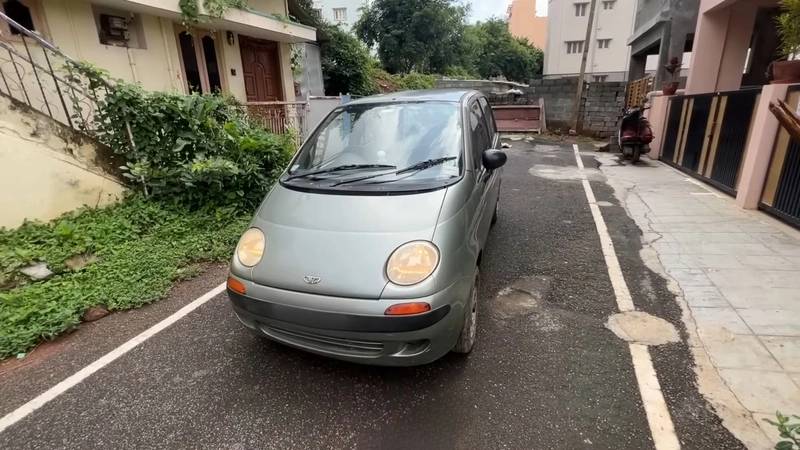
The Daewoo Matiz was a small five-door hatchback that became one of Daewoo's best-known products in India. Its tall body and compact dimensions created a surprisingly spacious cabin, while the rounded exterior made it visually distinct from other small cars of the period.
India received a 796cc three-cylinder petrol engine producing around 52 bhp and 71 Nm, paired with a five-speed manual gearbox. The car also offered features such as power steering, air-conditioning, central locking and a driver's airbag on higher versions. Its small engine and light weight made it particularly suited to urban driving.
The Matiz was discontinued in India in early 2000's following Daewoo's financial difficulties and subsequent exit from the Indian passenger-car market.
Engine and Performance
Engine and Performance
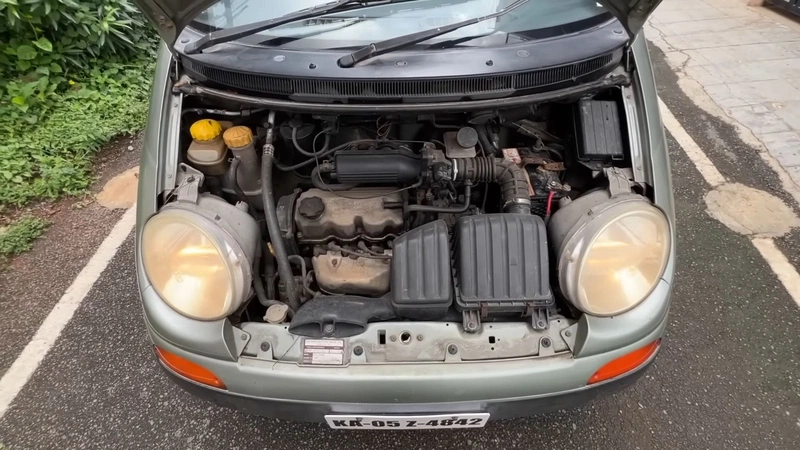
The Daewoo Matiz in India was primarily powered by a 796cc, 3-cylinder petrol engine. This small but peppy engine produced around 52 bhp of power and 71 Nm of torque. It was mated to a 5-speed manual transmission, with an automatic transmission option being very rare or non-existent in the Indian market.
The engine was well-suited for urban driving, offering nimble performance and easy maneuverability in city traffic. While not designed for high-speed highway cruising, it could hold its own for occasional inter-city trips. The ARAI-certified mileage for the Matiz was typically in the range of 18-20 kmpl, with real-world figures often varying between 12-16 kmpl depending on driving conditions and maintenance. When evaluating a used Matiz, listen for any unusual engine noises, excessive smoke from the exhaust, or signs of oil leaks. Check for smooth gear shifts and ensure the clutch operates without excessive play or slippage. Given the age of these vehicles, a thorough inspection of engine mounts and suspension components for wear is also advisable.
Ride and Handling
The Daewoo Matiz was renowned for its nimble ride and handling, making it an ideal city car. Its compact dimensions, light steering, and relatively soft suspension setup contributed to an easy and comfortable driving experience in urban environments. The MacPherson strut front suspension and torsion beam rear suspension were tuned to absorb bumps and potholes effectively, providing a surprisingly pliant ride for a car of its size.
The light steering made parking and maneuvering through congested streets effortless. While it exhibited some body roll during spirited cornering, it remained predictable and stable at city speeds. On highways, the ride could feel a bit bouncy at higher speeds, and crosswinds could affect stability due to its tall design. The tight turning radius further enhanced its agility. Overall, the Matiz offered a comfortable and stress-free driving experience for its intended purpose as a city commuter.
interior
interior
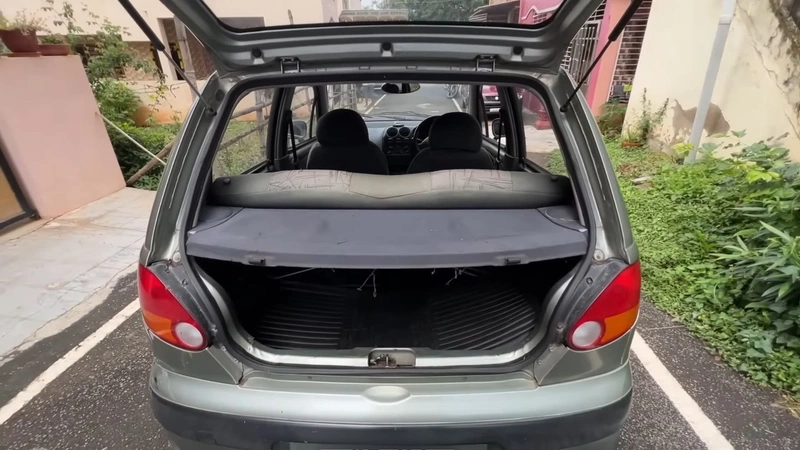
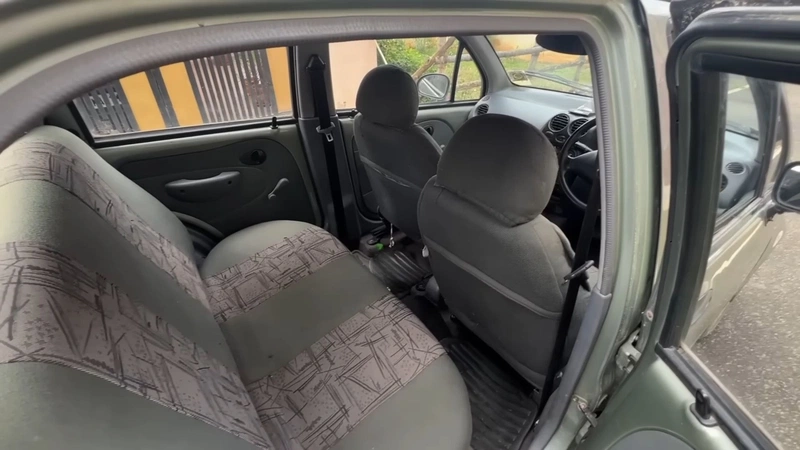
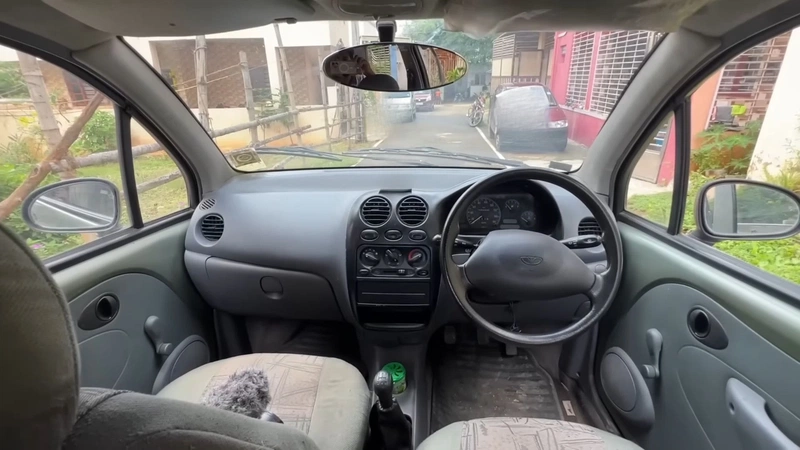
Despite its compact exterior dimensions, the interior of the Daewoo Matiz was surprisingly spacious and airy, thanks to its tall-boy design and clever packaging. The cabin was designed with practicality in mind, featuring a simple dashboard layout and functional controls. The materials used were primarily hard plastics, but the overall fit and finish were decent for its segment at the time.
For a used Matiz, examine the condition of the seat fabric, as wear and tear can be evident, especially on the driver's seat. Check the functionality of all switches and knobs, particularly for the power windows (if equipped), air conditioning, and heater, as electrical issues can sometimes arise in older vehicles. Listen for any persistent rattles or squeaks from the dashboard or door panels. Ensure that all interior lights are working and that the glove compartment and other storage areas are intact. The rear seating, while not overly generous, was adequate for two adults or three children, making it a viable option for small families.
Infotainment
The infotainment system in the Daewoo Matiz was rudimentary, reflecting the technological standards of its era and its positioning as a budget-friendly city car. Most variants came equipped with a basic 1-DIN audio system that offered AM/FM radio and perhaps a cassette player or a CD player in later models. USB or Aux-in connectivity was generally not available, and Bluetooth or smartphone integration was non-existent.
The controls were simple, physical buttons and knobs, designed for ease of use. While the system provided basic audio entertainment, it lacked any advanced features or connectivity options. When inspecting a used Matiz, ensure the existing audio unit powers on and the radio functions correctly. Given Daewoo's exit from India, sourcing OEM replacement parts for the infotainment system would be virtually impossible, meaning any upgrades or repairs would necessitate aftermarket solutions.
exterior
exterior
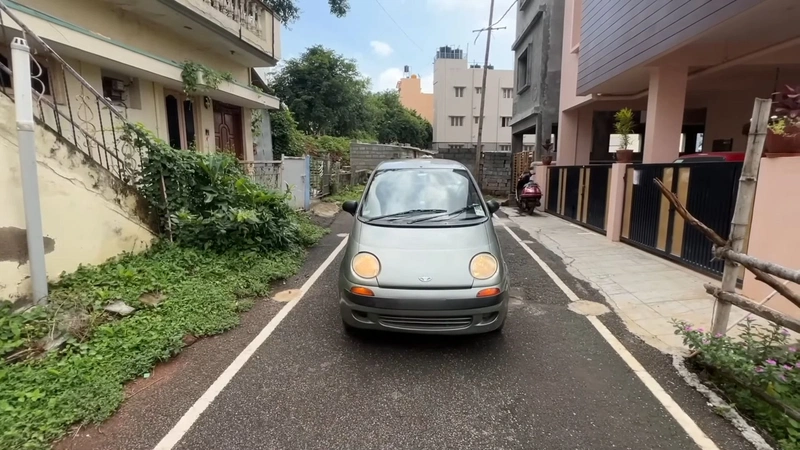
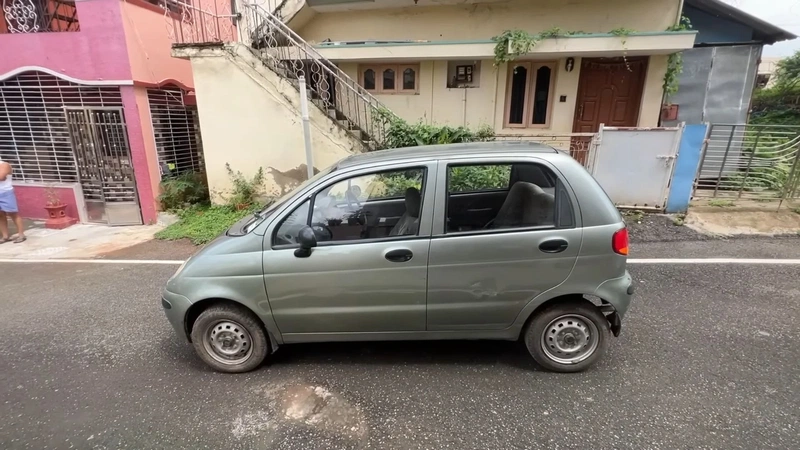
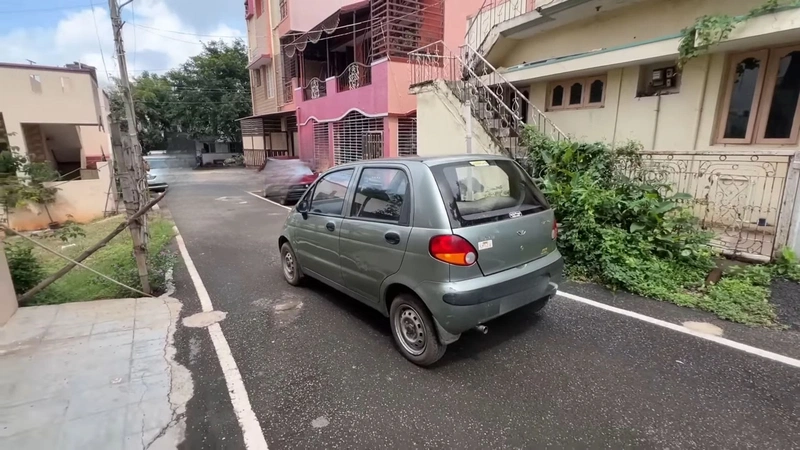
The exterior design of the Daewoo Matiz was its most distinctive feature, setting it apart from its contemporaries. It boasted a rounded, friendly, and somewhat quirky aesthetic, characterized by its large, expressive headlamps and a compact, tall-boy stance. This design not only gave it a unique personality but also contributed to its surprisingly spacious interior for its footprint.
When inspecting a used Matiz, pay close attention to signs of rust, particularly around the wheel arches, sills, and tailgate, as these areas could be prone to corrosion over time. Check the condition of the exterior plastic trim, including bumpers and side moldings, as these can become brittle or discolored with age. Also, inspect the door handles and hinges for any looseness or wear, as these might have seen considerable use. The overall paint condition should be assessed for fading or peeling, which could indicate poor maintenance or prolonged exposure to the elements.
safety
safety
Safety in the Daewoo Matiz was basic, reflecting the automotive safety standards of its time. The vehicle was developed before stringent crash test norms were widely implemented in India, and it did not undergo independent crash testing by organizations like Global NCAP.
Most variants of the Matiz came with minimal safety features. Airbags were typically not offered, even as an option, and Anti-lock Braking System (ABS) was absent. The primary safety features were limited to seatbelts and the car's basic structural integrity. Prospective buyers should be acutely aware that the Matiz's passive and active safety features are significantly outdated compared to modern vehicles. Its compact size and lack of advanced safety systems make it a compromise for safety-conscious buyers, particularly in today's traffic conditions.
competition
competition
In the used car market of 2025, the Daewoo Matiz faces competition from other entry-level hatchbacks that were popular during its era, as well as more modern, budget-friendly compact cars. Its primary rivals during its active sales period included the Maruti Suzuki Zen, Maruti 800, and later, the Hyundai Santro.
In the current used market, the Matiz's key competitors are older generations of the Maruti Suzuki Alto, Wagon R, and Hyundai Santro. While the Matiz stands out for its unique styling and nimble city performance, its biggest disadvantage is the complete absence of Daewoo from the Indian automotive landscape. This severely impacts the availability of genuine spare parts and authorized service, leading to significant challenges and potentially higher costs for maintenance and repairs. The resale value of a Matiz is extremely low due to these factors, making it a very high-risk purchase. Furthermore, as a petrol vehicle, the 15-year vehicle ban in the NCR region will render many Matiz models unusable, further limiting its appeal. Compared to its Maruti and Hyundai rivals, which still benefit from extensive service networks and readily available parts, the Matiz is a far less practical choice for long-term ownership.
Buying Guide
Buying Guide
The Daewoo Matiz, as a used car in 2025, is a niche proposition primarily for enthusiasts or those seeking an absolute bare-bones, ultra-affordable city commuter. Its strengths lie in its compact size, easy maneuverability, surprisingly spacious interior for its footprint, and decent fuel efficiency for urban use. Its distinctive, friendly design also holds a certain nostalgic appeal.
However, the challenges of owning a used Matiz are substantial. The most critical factor is the complete absence of Daewoo from the Indian market, which translates to extreme difficulty in sourcing genuine spare parts and a lack of authorized service support. This will inevitably lead to higher maintenance costs, longer repair times, and a heavy reliance on independent mechanics and aftermarket parts. Furthermore, its outdated safety features and the impending 15-year petrol vehicle ban in regions like the NCR significantly limit its usable life and overall practicality. The resale value is negligible. The Daewoo Matiz is only advisable for someone with a very specific need for an extremely cheap city runabout, who is mechanically inclined or has access to a reliable independent mechanic specializing in older, discontinued models, and who is fully aware of the significant ownership hurdles.
Daewoo Matiz FAQs
When was the Daewoo Matiz discontinued in India?
−The Daewoo Matiz was discontinued in India in around 2002.
What replaced the Daewoo Matiz in India?
+The Matiz did not receive a direct replacement after Daewoo ended its Indian operations.