


Chevrolet Optra
Chevrolet Optra Key Specifications
Chevrolet Optra Overview
The Chevrolet Optra was a five-seat sedan that brought a larger, more premium cabin to Chevrolet's Indian range in the mid-2000s. It had a conventional three-box silhouette, a softly styled dashboard and equipment such as automatic climate control, leather upholstery and a sunroof on selected variants.
Early Indian versions were available with 1.6-litre petrol and 1.8-litre petrol engines, while the range later gained diesel options through the Optra Magnum. The 1.8-litre petrol could be paired with an automatic gearbox, while most versions used a five-speed manual.
The Optra was positioned above small sedans and was known for its spacious cabin and comfortable ride.
Chevrolet eventually replaced its role with newer products before exiting India's passenger-car market.
Engine and Performance
Engine and Performance
The Chevrolet Optra was offered with a range of engine options in India, including both petrol and diesel (in the Optra Magnum variant). These powertrains provided a mix of performance and efficiency suitable for the sedan segment of its time.
The petrol engine options included a 1.6-litre (1598cc/1599cc) naturally aspirated unit, which produced around 103-105 PS of power at 5800 rpm and 148 Nm of torque at 3500 rpm. This engine was typically paired with a 5-speed manual transmission. A larger 1.8-litre (1799cc) naturally aspirated petrol engine was also available, offering around 115 PS of power at 5800 rpm and 156 Nm of torque at 3500 rpm. This larger petrol engine could be found with both 5-speed manual and 4-speed automatic transmissions, providing more flexibility for buyers.
For those seeking more power and torque, particularly for highway driving, the Optra Magnum variant featured a 2.0-litre (1991cc) TCDi diesel engine. This robust diesel unit was known for its strong performance, producing approximately 123.7 bhp (125 PS) at 3800 rpm and a substantial 305 Nm of torque at 2000 rpm. It was exclusively mated to a 5-speed manual transmission. Performance was generally considered good for its segment, with the diesel Optra Magnum being particularly praised for its strong low-end torque and effortless highway cruising ability. Petrol variants offered decent city and highway performance. Fuel efficiency figures, as per ARAI, ranged from approximately 10.6 kmpl to 17.4 kmpl, depending on the specific engine and transmission combination.
For a used purchase, it is crucial to pay close attention to the alternator, as this was a common reported issue that could lead to battery discharge. Additionally, check for any clutch issues in manual variants, as worn clutches can be expensive to replace. General engine noise or vibrations should also be monitored during a test drive. Given Chevrolet's exit from the Indian market, sourcing specific engine components can be a significant challenge and potentially very expensive, requiring reliance on aftermarket parts or specialized independent workshops.
Ride and Handling
The Chevrolet Optra was widely praised for its comfortable ride quality, a characteristic that made it a popular choice for both daily city commutes and extended highway journeys. It featured an independent suspension setup, typically employing McPherson struts with an anti-roll bar at both the front and rear axles. This suspension tuning was specifically geared towards effectively soaking up road imperfections, thereby providing a plush and composed ride, even when encountering rough patches or undulations common on Indian roads.
In terms of handling, the Optra generally offered a stable and predictable driving experience for a family sedan. While it was not designed to be a sporty handler, it maintained decent composure at higher speeds on highways. The power steering system, often a hydraulic unit, was well-weighted, providing adequate feedback to the driver and contributing to a sense of control. The turning radius, typically around 5.2 meters, made it reasonably maneuverable in urban environments despite its mid-size sedan dimensions. For a used purchase, it is advisable to listen for any unusual noises emanating from the suspension, such as creaks or thuds, which could indicate worn bushings or shock absorbers requiring replacement. Additionally, checking for uneven tire wear is important, as this might point to alignment issues that could affect handling and tire longevity. Some users reported a slight sluggishness at low RPMs in certain petrol variants, which might require a period of adjustment for new owners.
interior
interior
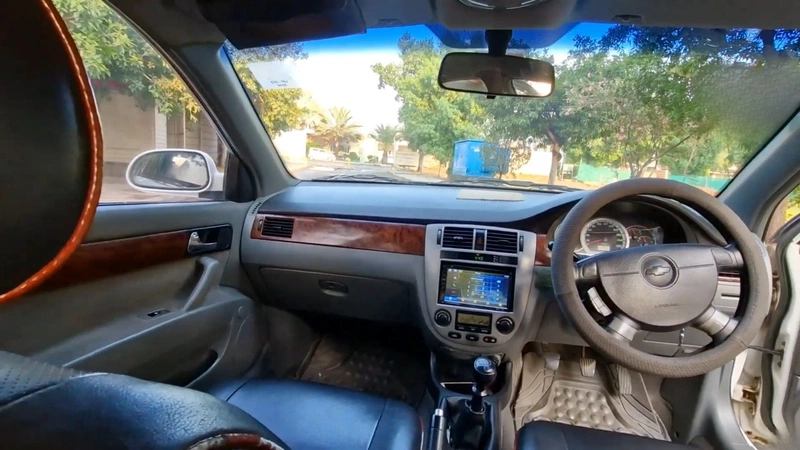
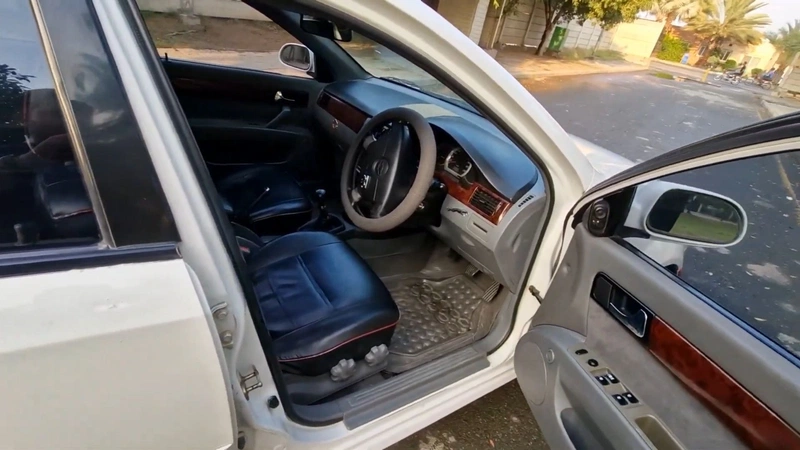
The interior of the Chevrolet Optra was one of its strong suits, particularly for its time, offering a spacious and comfortable cabin. It was designed to accommodate five occupants with ample legroom and headroom, making it suitable for long journeys. The dashboard design was straightforward and functional, often featuring a dual-tone theme.
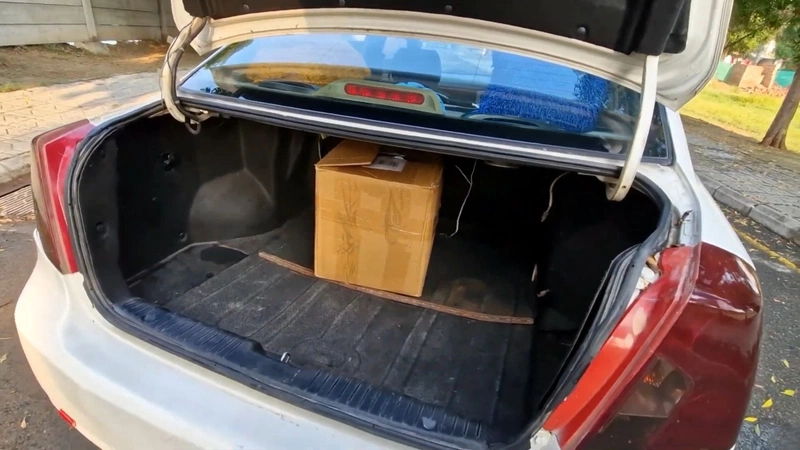
Material quality was generally considered good, with a focus on durability. Higher variants came with leather upholstery, adding to the premium feel. Features included power steering, power windows, manual or automatic climate control, and a decent audio system. The boot space was generous, typically around 405 liters, making it practical for family use. When evaluating a used Optra, inspect the condition of the seat upholstery for wear, tears, or sagging. Test all power window switches and the climate control system for proper functionality. Pay attention to any rattling noises from the dashboard or door panels, which might indicate loose plastic components.
Infotainment
The infotainment system in the Chevrolet Optra was relatively basic by today's standards but was functional for its era. It typically featured an integrated audio system with a CD player, AM/FM radio, and AUX input. Bluetooth connectivity was available in later variants, allowing for hands-free calling and audio streaming.
The system generally comprised a standard head unit, often a double-DIN setup, connected to a decent number of speakers (usually 4 or 6). Steering-mounted audio controls were available in higher trims, enhancing convenience. The instrument cluster was analog, providing essential driving information. Given its age, a used Optra is unlikely to have modern features like a touchscreen display, Apple CarPlay, or Android Auto. Many owners might have upgraded to aftermarket systems. If the original system is present, check its functionality, as sourcing original replacement parts for the infotainment unit could be challenging.
exterior
exterior
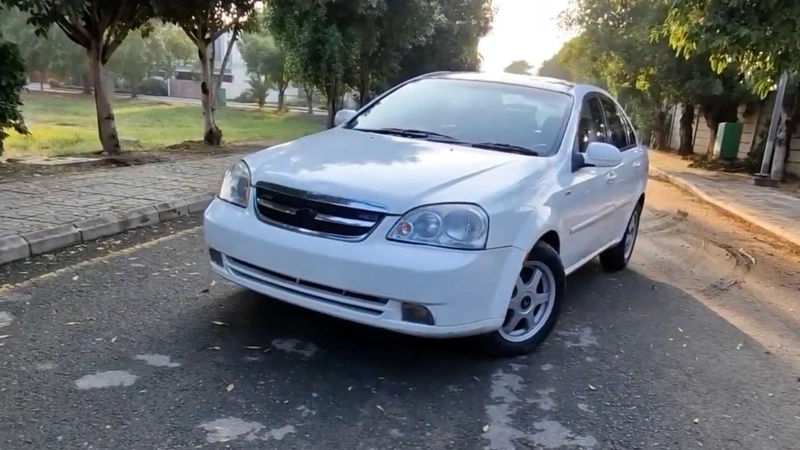
The exterior design of the Chevrolet Optra, particularly the later Optra Magnum, featured a more contemporary and muscular look compared to its initial iterations. It had a bold front grille, distinctive headlamps (often almond-shaped), and a well-proportioned sedan silhouette. The overall design aimed for a blend of elegance and understated sportiness, appealing to a mature audience.
Dimensions varied slightly across models, but generally, the Optra had a length of around 4500mm, a width of 1725mm, and a height of 1445mm, with a wheelbase of 2600mm. The ground clearance for the Optra Magnum was around 165mm, which was decent for a sedan but still required caution over larger speed breakers. When inspecting a used Optra, check for any signs of rust, especially around the wheel arches and lower body panels, given its age. Examine the condition of the headlights and taillights for hazing or cracks. Also, look for any misaligned body panels which might indicate past accidents.
competition
competition
When it was actively sold in the Indian market, the Chevrolet Optra competed in the highly competitive mid-size sedan segment. Its primary rivals during its tenure included popular models such as the Honda City, Hyundai Verna, Maruti Suzuki Ciaz, and the Ford Fiesta (which has also since been discontinued in India). The Optra Magnum, with its more powerful diesel engine, also carved a specific niche for itself, appealing to buyers who prioritized strong performance and fuel efficiency in a sedan.
In the 2025 used car market, the Chevrolet Optra continues to compete with older generations of these same vehicles. While a used Optra might offer a more comfortable ride or a more powerful engine (especially the diesel Magnum) compared to some of its contemporaries, its biggest hurdle is the complete lack of official service and spare part support from Chevrolet India. This critical factor makes it a significantly riskier purchase compared to used models from brands that still maintain a strong presence and service network in India, such as Maruti Suzuki, Hyundai, or Honda. Buyers considering a used Optra might find it at a very attractive and depreciated price, but they must meticulously factor in the potential for high maintenance costs and significant difficulties in finding specific replacement parts, often necessitating reliance on aftermarket solutions or salvaged components.
Buying Guide
Buying Guide
The Chevrolet Optra, as a used car in 2025, presents a unique and somewhat challenging proposition for budget-conscious buyers seeking a spacious and comfortable sedan. Its inherent strengths, including a robust build quality, a plush ride that handles Indian road conditions well, and (for the Magnum variant) a powerful diesel engine, are undeniable positives that can still be appreciated by owners. It provides a level of comfort and road presence that might be difficult to find in similarly priced, more modern used cars.
However, the decision to purchase a used Optra comes with significant caveats and requires careful consideration. The complete withdrawal of Chevrolet from the Indian market means that official service centers and genuine spare parts are virtually non-existent. This critical absence translates into potential long downtimes for repairs, a mandatory reliance on independent mechanics, and the persistent challenge of sourcing specific components, which can be both time-consuming and expensive. Therefore, while the initial purchase price might be very appealing due to its high depreciation, potential owners must be fully prepared for the complexities and uncertainties inherent in maintaining a vehicle with no official brand support. Ultimately, choosing a used Chevrolet Optra in 2025 is a decision best suited for individuals with a deep understanding of automotive mechanics, established relationships with reliable independent workshops specializing in older foreign models, and a clear acceptance of the associated long-term risks.
Chevrolet Optra FAQs
What engines were available with the Chevrolet Optra?
−The Optra was sold with 1.6-litre and 1.8-litre petrol engines, with manual and automatic gearbox options depending on the version.
Was the Chevrolet Optra discontinued in India?
+The Optra's production already stopped before 2012, resulting due to low sales. The Sail sedan replaced it later.