
EMI Loading
Aprilia SR 125 Key Specifications
Aprilia SR 125 Variants & Prices
| Variant Details | Ex. Showroom Price | |
|---|---|---|
SR 125 STD90 kmph | 40 kmpl | 124.45 cc | ₹ 1.13 Lakh* |
SR 125 STD
Aprilia SR 125 Comparison with similar Bikes
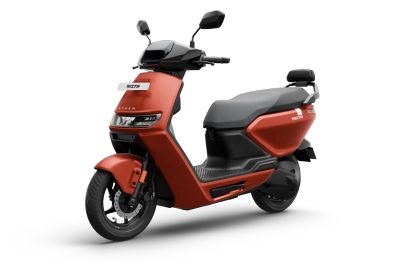
Pros & Cons of Aprilia SR 125
Things We Like
- Exceptional handling and cornering stability due to its stiff chassis.
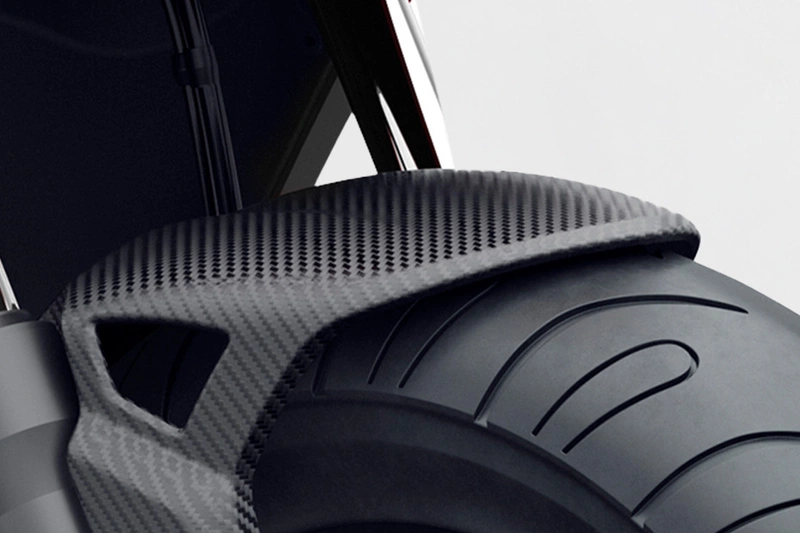
- Large 14-inch wheels provide superior ride dynamics over competitors.
Things We Don't Like
- Uncompromisingly stiff suspension results in a harsh ride on bad roads.
- Severely limited underseat storage cannot accommodate a full-face helmet.
Aprilia SR 125 Overview

Engine, Performance and Mileage
Engine, Performance and Mileage
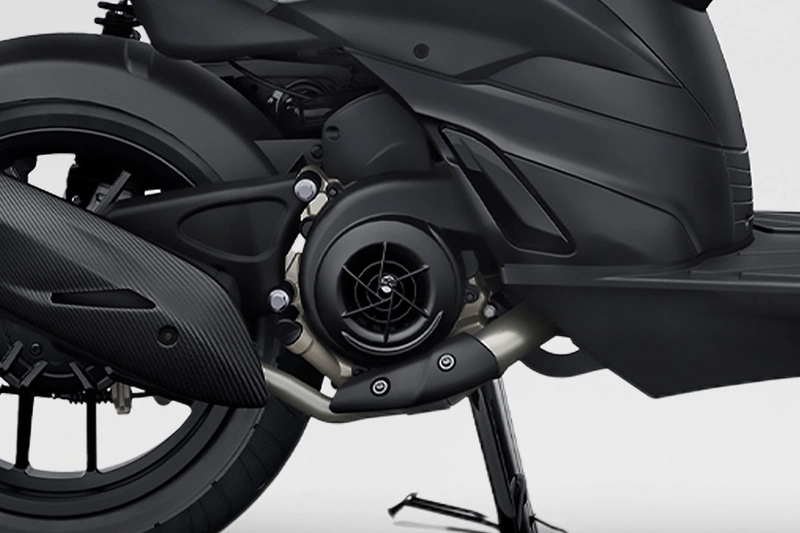
The Aprilia SR 125 is powered by a 124.45 cc, single-cylinder, 3-valve, air-cooled engine compliant with BS6 Phase 2 norms. This unit produces a peak power of 9.92 PS at 7700 rpm and a maximum torque of 9.7 Nm at 6000 rpm, transmitted via a Continuously Variable Transmission (CVT). On paper, these figures are competitive, placing it slightly below the TVS Ntorq 125 Race XP (10.2 PS) but on par with the Suzuki Avenis 125 (8.7 PS, 10 Nm). In real-world application, the engine’s character is distinctly energetic.
The throttle response is immediate and crisp, making it highly effective for navigating dense urban traffic and exploiting gaps. The scooter accelerates briskly from 0-60 km/h, delivering a sense of urgency that many of its competitors lack. However, this performance-oriented tuning reveals its limitations on open highways, where the engine feels strained when holding speeds above 80 km/h. Refinement levels are acceptable, though the engine note is noticeably raspier and more audible than the smoother powerplants from Suzuki or Honda.
The most significant trade-off for this performance is fuel efficiency. Expect real-world mileage figures to hover between 35-40 kmpl, a considerable step down from rivals like the Yamaha RayZR, which can deliver over 50 kmpl.
posture comfort
posture comfort
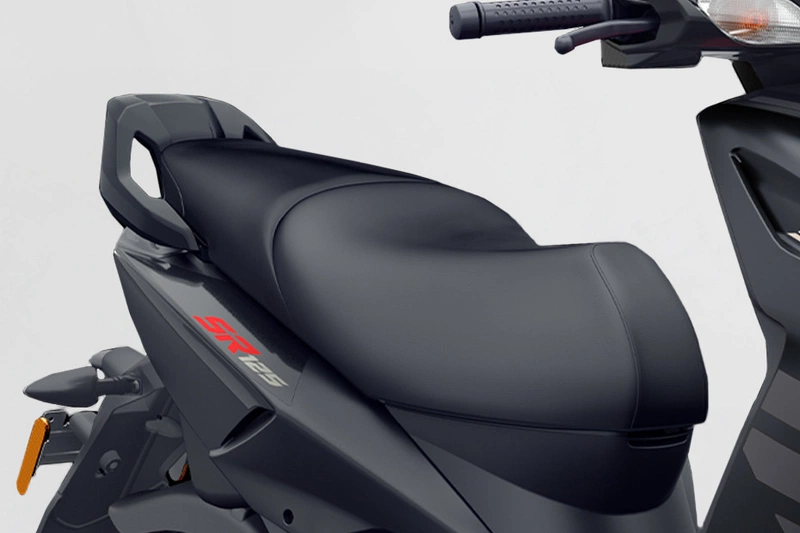
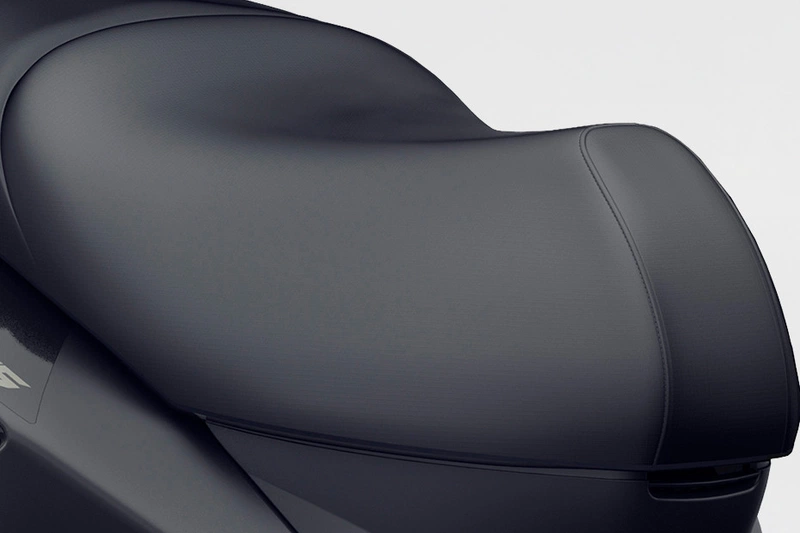
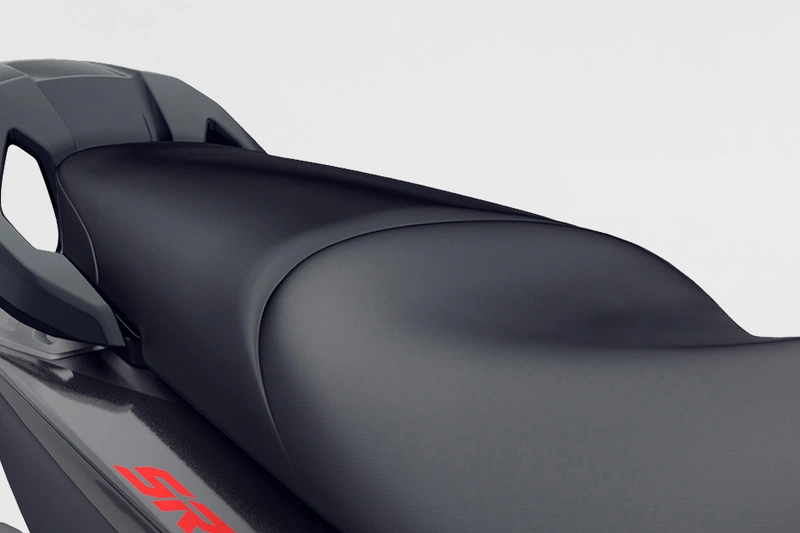
An objective evaluation of the Aprilia SR 125 reveals that comfort and practicality are its most significant weaknesses. The riding posture is relatively committed for a scooter, with a tall seat height of 780 mm and a floorboard that can feel slightly cramped for riders over six feet tall. The seat itself is firm and narrow, designed more for active riding than for comfortable, long-duration commutes.
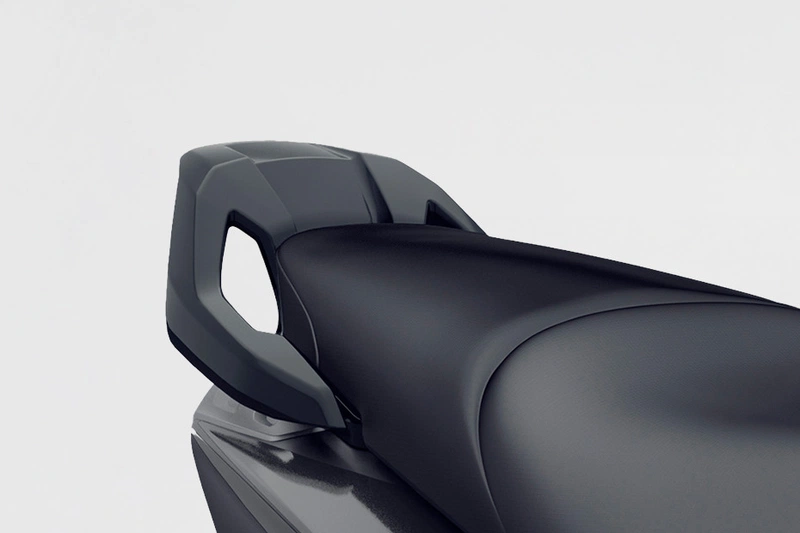
Pillion comfort is even more compromised; the rear portion of the seat is small, and the split grab rails are more stylistic than functional. Underseat storage is a major point of contention. The 15-litre capacity is severely limited due to the placement of the fuel tank and the large wheel wells, making it incapable of storing most full-face helmets—a deal-breaker for many potential buyers.
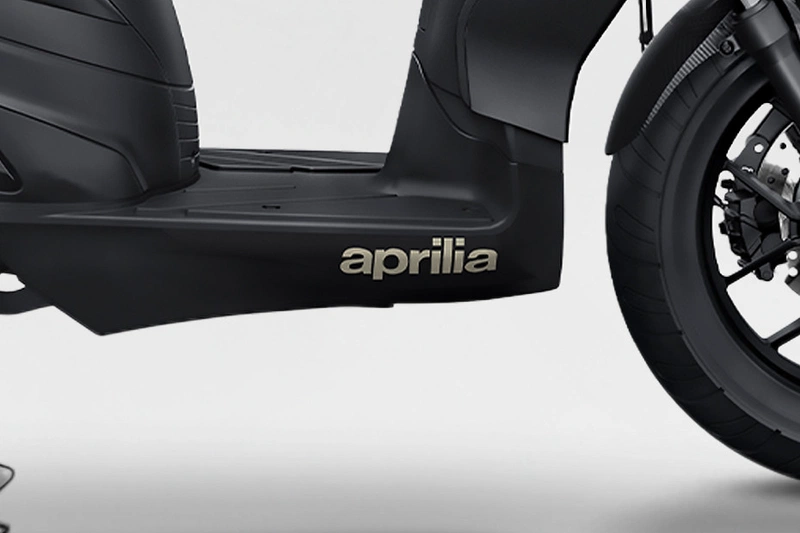
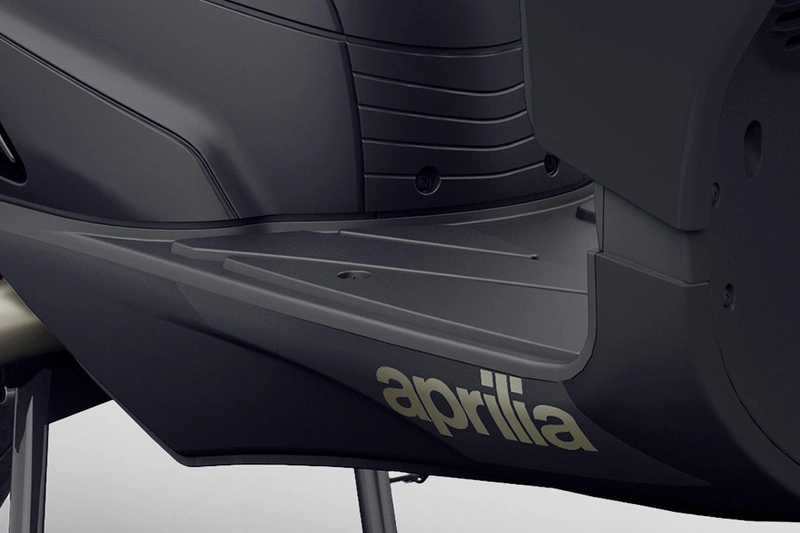
The floorboard is not flat; it features a prominent central spine which restricts its utility for carrying groceries or a backpack. The lack of any front glovebox or storage cubbies further diminishes its practicality for daily errands. This scooter is engineered as a personal mobility device focused on the riding experience, not as a versatile utility vehicle for a family. Buyers must be fully aware of these functional limitations before making a purchase decision.
handling ride quality
handling ride quality
This is the defining area where the Aprilia SR 125 distinguishes itself from the competition. Its chassis architecture is built around a rigid underbone frame, paired with a telescopic front fork and a rear monoshock. The most critical component contributing to its dynamic prowess is the use of 14-inch alloy wheels, shod with wide, 120-section tubeless tyres at both ends. This setup is more akin to a small-capacity motorcycle than a conventional scooter.
The result is exceptional high-speed stability and cornering confidence. The scooter feels planted and predictable when leaned into turns, with minimal flex or wallowing. Steering is direct and responsive, allowing for quick directional changes with precision.
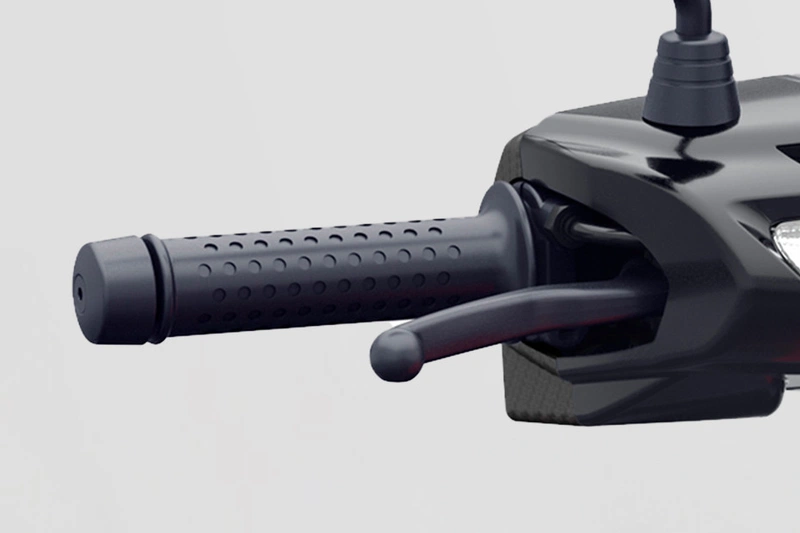
However, this handling excellence comes at the direct expense of ride comfort. The suspension is tuned to be firm, almost stiff, which translates to a jarring experience over broken tarmac, potholes, and speed bumps. While manageable on smooth roads, the ride quality can become fatiguing during long commutes on typical Indian city roads. Braking is handled by a 220 mm front disc and a 140 mm rear drum, linked by a Combi-Braking System (CBS). The front brake offers strong initial bite and progressive feedback, providing ample stopping power and inspiring confidence.
design
design
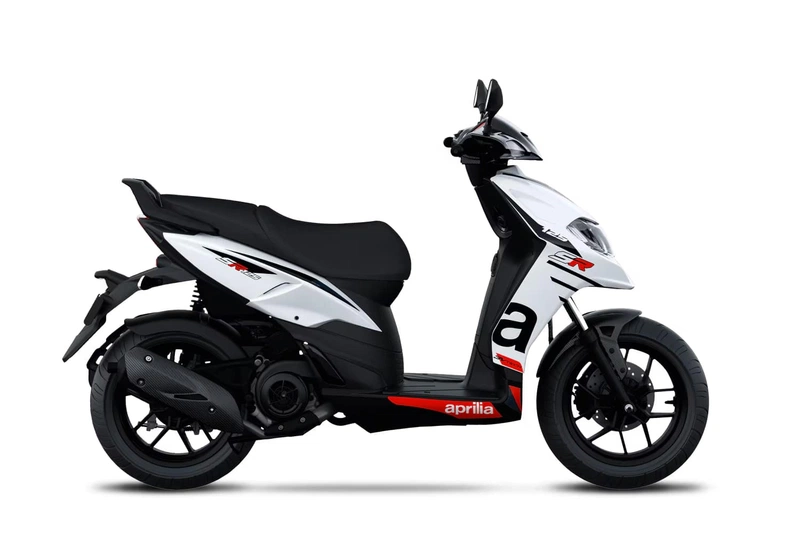
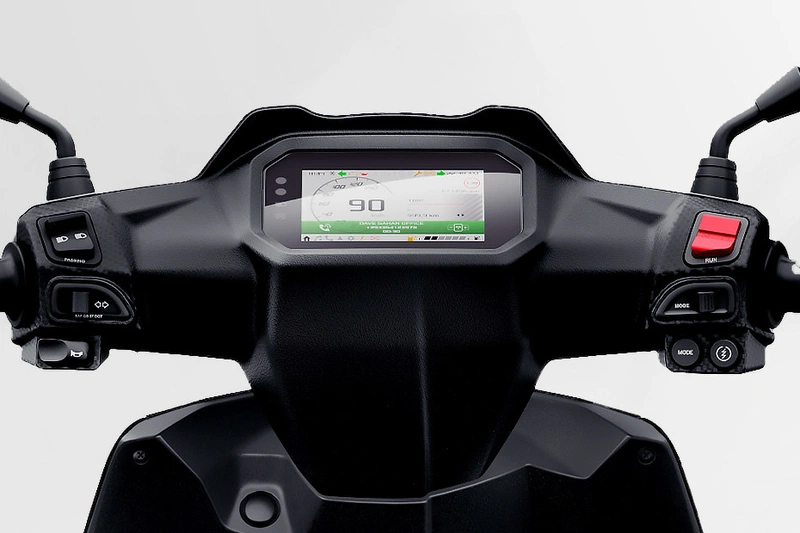
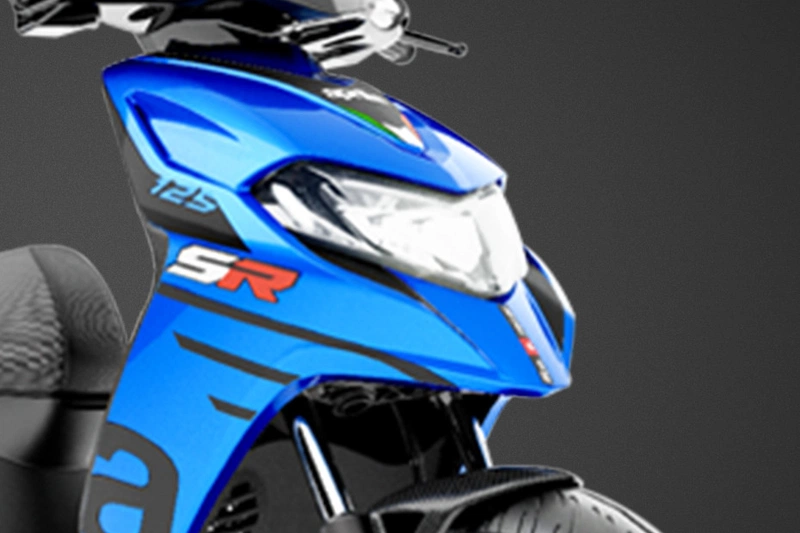
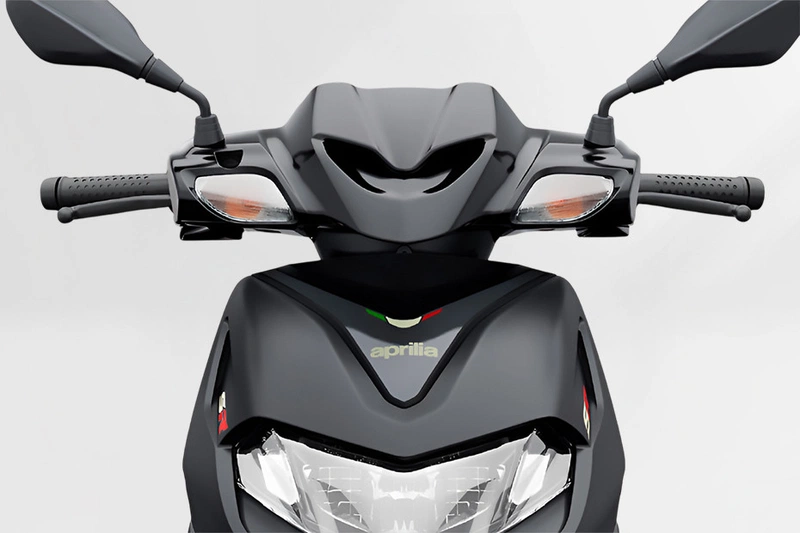
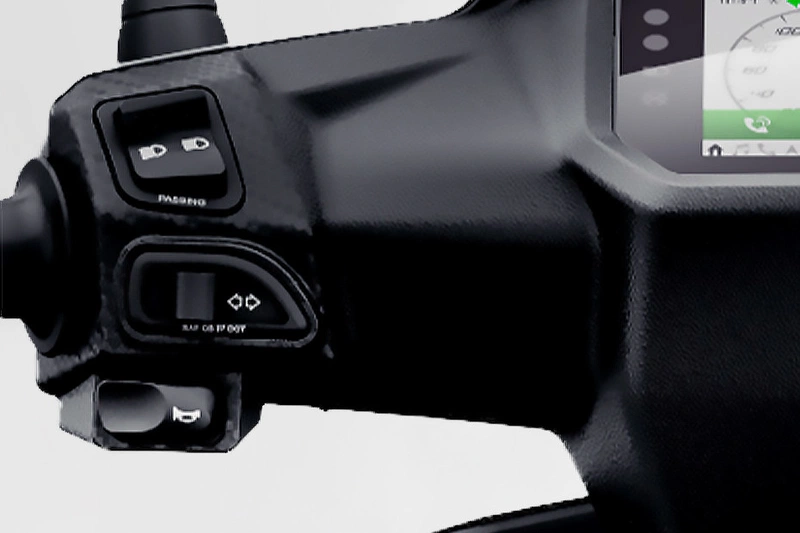
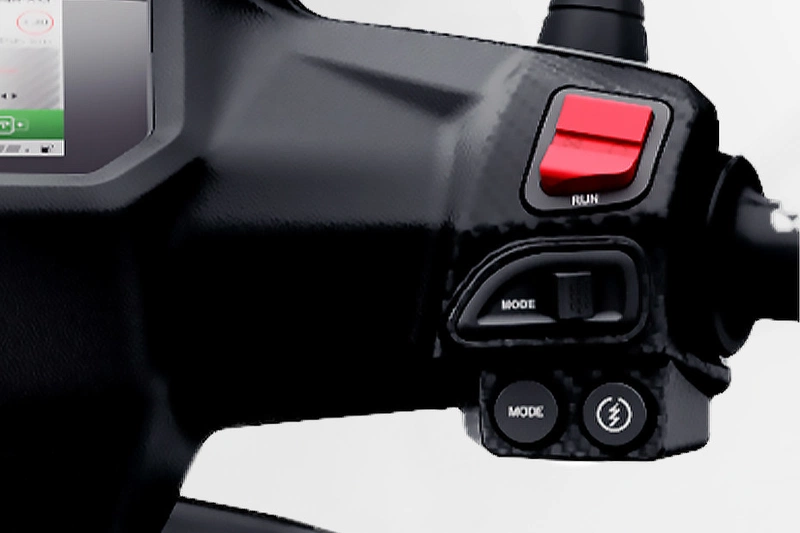
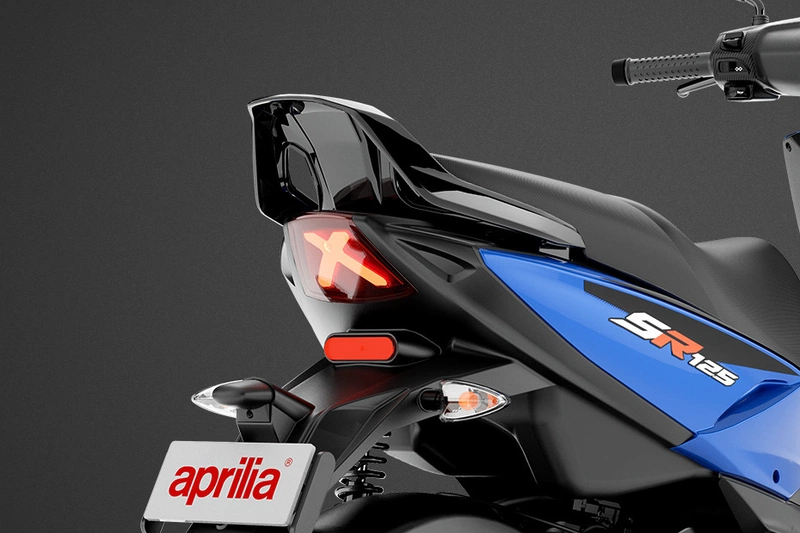
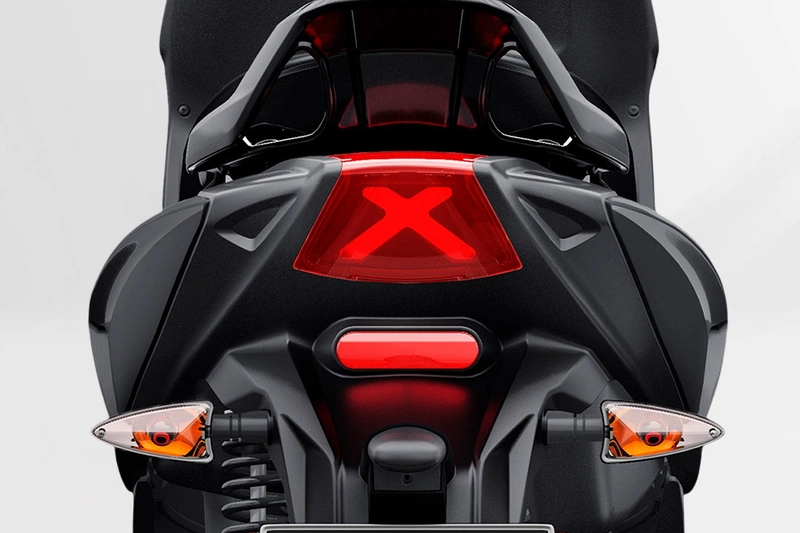
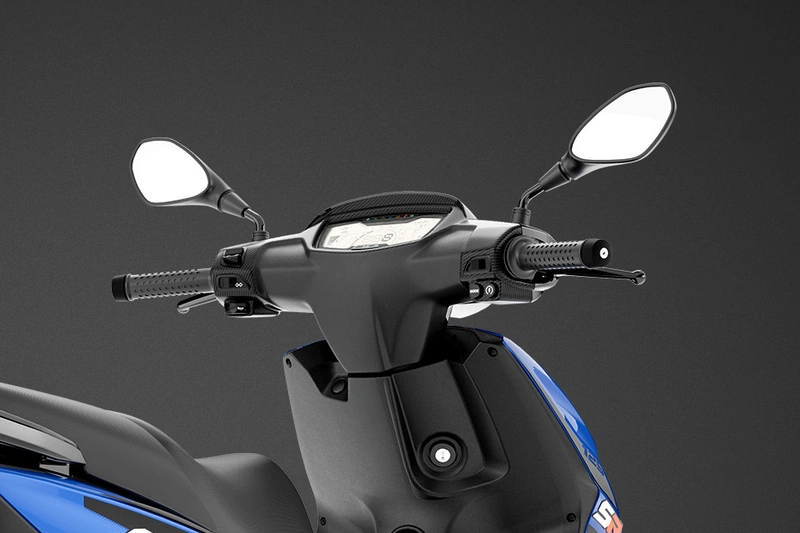
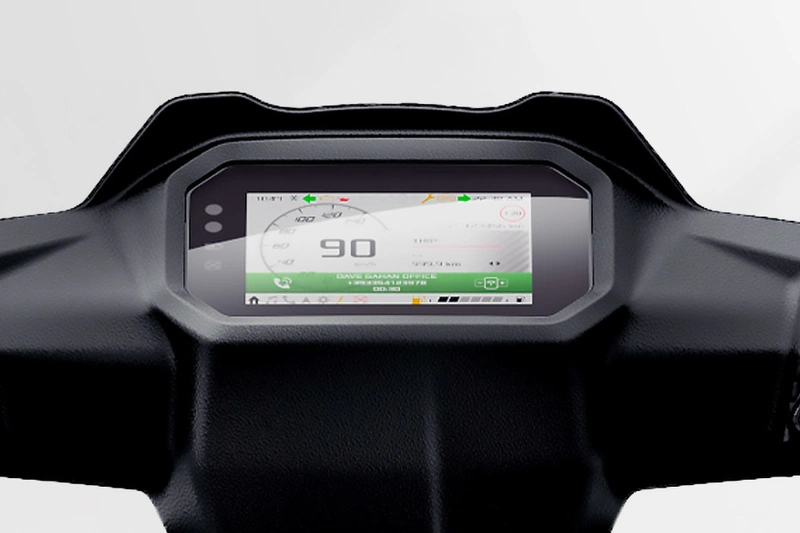
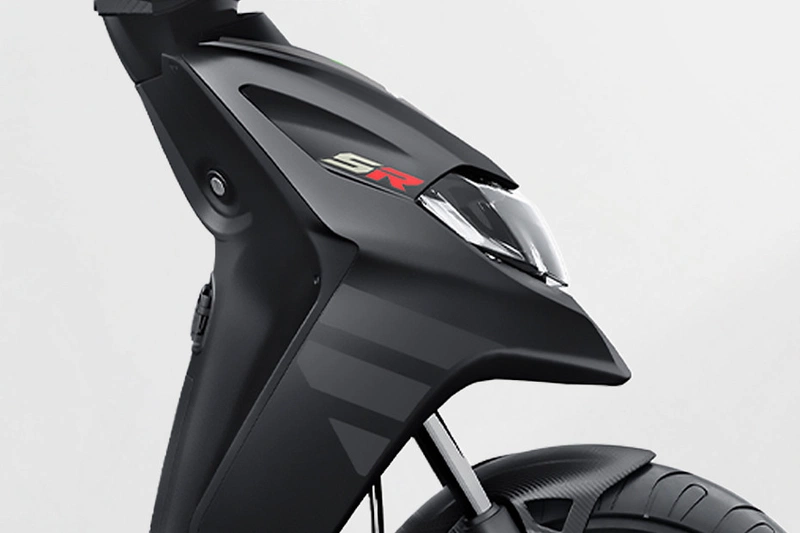
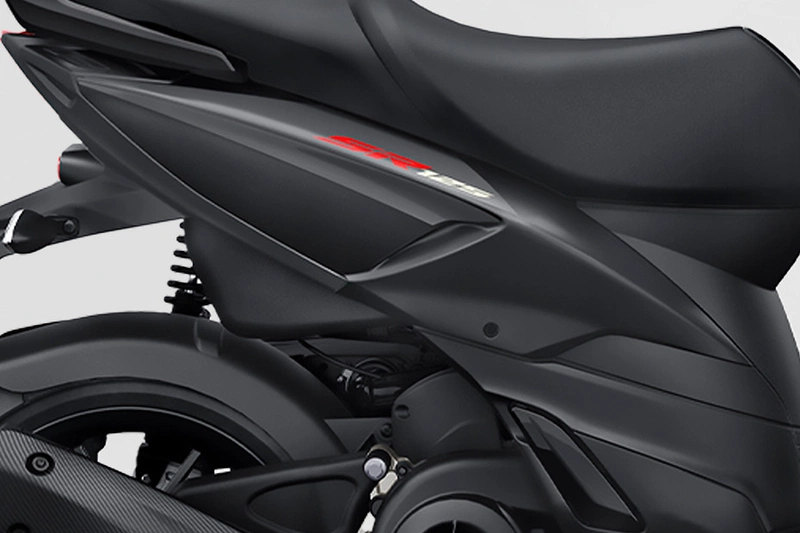
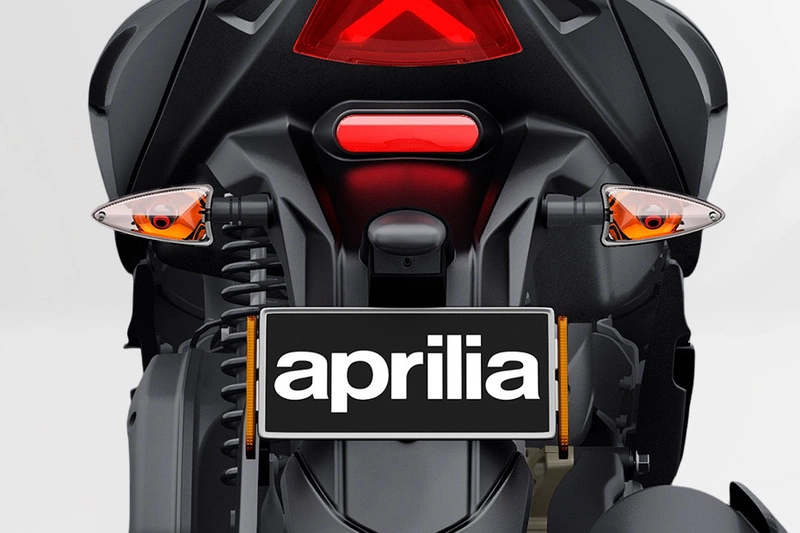
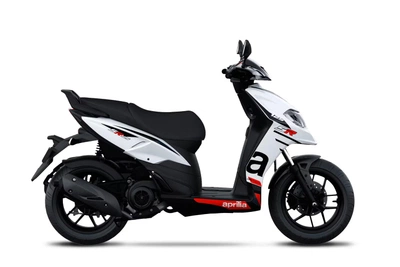
The SR 125’s design is unapologetically European and aggressive, drawing heavily from Aprilia’s larger sportbikes. Its sharp, angular body panels, beak-like front apron, and exposed frame elements create a visual identity that stands out in a sea of conservatively styled scooters. The current model features a full LED lighting package, including a sharp headlamp, integrated DRLs, and a sleek tail lamp, which improves both aesthetics and night-time visibility. The instrument cluster is a fully digital LCD unit that provides essential information such as a speedometer, odometer, two trip meters, and a fuel gauge.
While functional and legible, it lacks the advanced features seen on its primary rival, the TVS Ntorq, which offers Bluetooth connectivity, turn-by-turn navigation, and call alerts as standard.
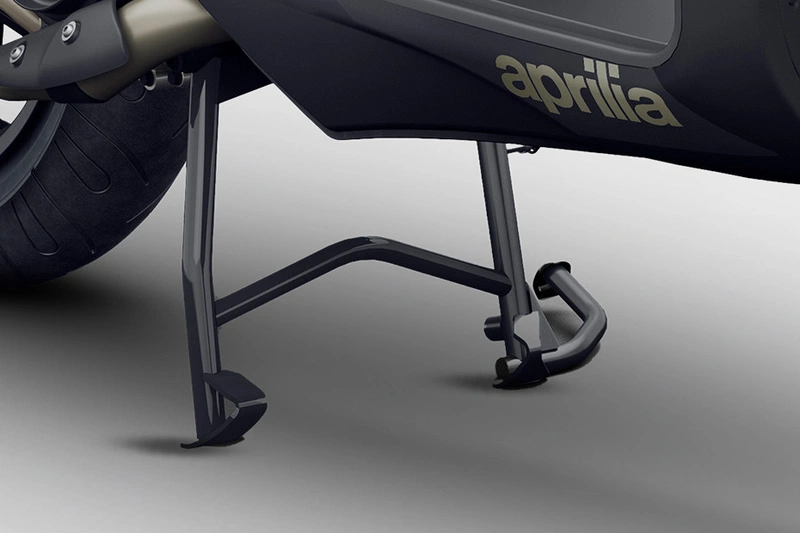
Practical features on the SR 125 are limited but essential. It includes a USB charging port located under the seat, allowing for device charging on the go. A side-stand engine cut-off switch is a crucial safety inclusion. The absence of an external fuel filler cap is a notable omission, requiring the rider to dismount and lift the seat for refueling—a minor but frequent inconvenience. Overall, the equipment list is adequate but feels sparse when compared to the value- Mproposition offered by competitors.
safety
safety
The safety package on the Aprilia SR 125 is compliant with current Indian regulations for its segment. The primary safety system is the Combi-Braking System (CBS), which is mandatory for all two-wheelers up to 125 cc. When the rear brake lever is applied, the system automatically distributes a portion of the braking force to the front wheel. This helps in balancing the scooter during deceleration and significantly reduces the chances of a rear-wheel skid, especially for novice riders or during panic-braking situations in wet conditions. The braking hardware itself, a 220 mm front disc, provides strong and reliable stopping power.
The large 14-inch wheels and wide-profile tyres also contribute passively to safety by offering a larger contact patch and superior stability over undulations and mid-corner bumps compared to the 10- or 12-inch wheels common in the segment. Night-time visibility is capably handled by the bright, well-focused LED headlamp. Furthermore, the mandatory side-stand engine cut-off function prevents the scooter from being ridden with the stand engaged. While the SR 125 does not offer ABS (not mandated in this category), its combination of strong brakes, CBS, and superior chassis stability makes it a predictable and safe machine under braking.
competition
competition
The 125cc performance scooter segment in India is highly competitive, and the Aprilia SR 125 faces three formidable rivals, each with a distinct advantage.
TVS Ntorq 125:
The Ntorq 125 is the segment benchmark for performance and features. Its 3-valve engine is punchy, and its exhaust note is sporty. Its key differentiator is the SmartXonnect digital console, offering extensive Bluetooth features like navigation and rider stats, which the Aprilia completely lacks, making the Ntorq the choice for tech-savvy buyers.
Suzuki Avenis 125:
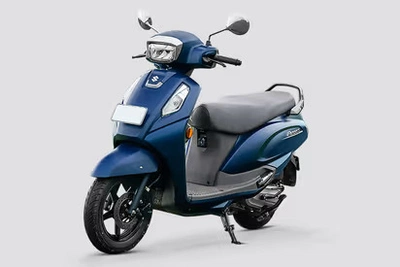
The Avenis 125 packages Suzuki’s hallmark engine refinement into a sporty design. While its power figures are modest, the engine is incredibly smooth and fuel-efficient. Its primary differentiator is this balance of reliable, smooth performance with practical features like an external fuel filler, positioning it as a more mature, all-round sporty commuter.
Yamaha RayZR 125 Fi Hybrid:
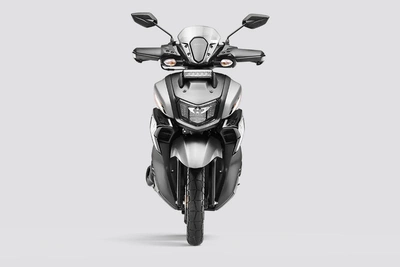
The RayZR 125 focuses on a different performance metric: low weight and high efficiency. At just 99 kg, it is significantly lighter than the 122 kg SR 125. Its key differentiator is the mild-hybrid system that aids initial acceleration and boosts its class-leading fuel economy, making it ideal for buyers prioritizing running costs and nimble city handling.
buying advice
buying advice
Who should buy it?
The enthusiast rider who prioritizes handling dynamics, stability, and European styling above all else. This buyer seeks a motorcycle-like experience in a scooter form factor and is willing to sacrifice comfort and practicality for it.
Who should skip it?
Buyers seeking a comfortable daily commuter, practical family vehicle, or a feature-rich package. Those who require ample storage, a plush ride, and good fuel efficiency will be better served by its competitors.
Aprilia SR 125 Specifications & Features
Engine & Transmission
| Starting | Kick and Self Start |
| Engine Type | Single cylinder, 4 Stroke,SOHC 3 valve |
| Displacement | 124.45 cc |
| Max Torque | 10.33 Nm @ 5500 rpm |
| Number of Cylinders | 1 |
| Cooling System | Air Cooled |
| Ignition | Electronic EMS |
| Gear Box | CVT |
| Bore | 52 mm |
| Stroke | 58.6 mm |
| Compression Ratio | 9.2:1 |
| Emission Type | BS6.2 |
| Clutch | Self Ventilating Dry - Centrifugal Clutch |
| Valve Per Cylinder | 3 |
| spark plugs per cylinder | 1 Per Cylinder |
Motor & Battery
| Drive Type | Belt Drive |
| Battery Type | Lead Acid |
| Transmission | Automatic |
| Peak Power | 10.11 PS @ 7300 rpm |
Mileage & Performance
| Overall Mileage | 40 kmpl |
Performance
| Top Speed | 90 kmph |
Tyres & Brakes
| Front Brake Diameter | 220 mm |
| Rear Brake Diameter | 140 mm |
| Front Tyre Pressure Rider | 1.8 psi |
| Front Tyre Pressure Rider Pillion | 1.8 |
| Rear Tyre Pressure Rider | 2 psi |
| Rear Tyre Pressure Rider Pillion | 2.2 |
Dimensions & Capacity
| Width | 806 mm |
| Length | 1985 mm |
| Height | 1261 mm |
| Fuel Capacity | 6 L |
| Ground Clearance | 155 mm |
| Wheelbase | 1365 mm |
| Kerb Weight | 118 Kg |
| Boot Space | Yes Litres |
| Engine Oil | 800 L |
| Seat Height | 780 mm |
| pillion grab rail | |
| pillion seat |
Electricals
| Headlight | LED |
| Taillight | LED |
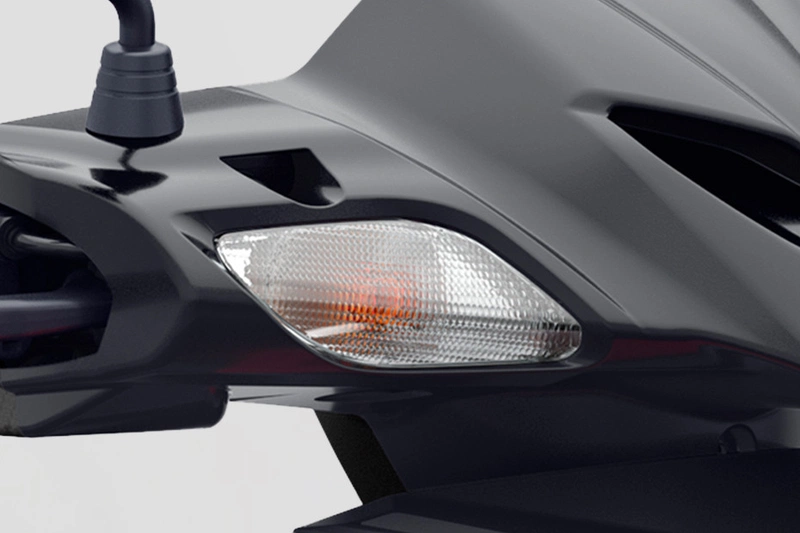
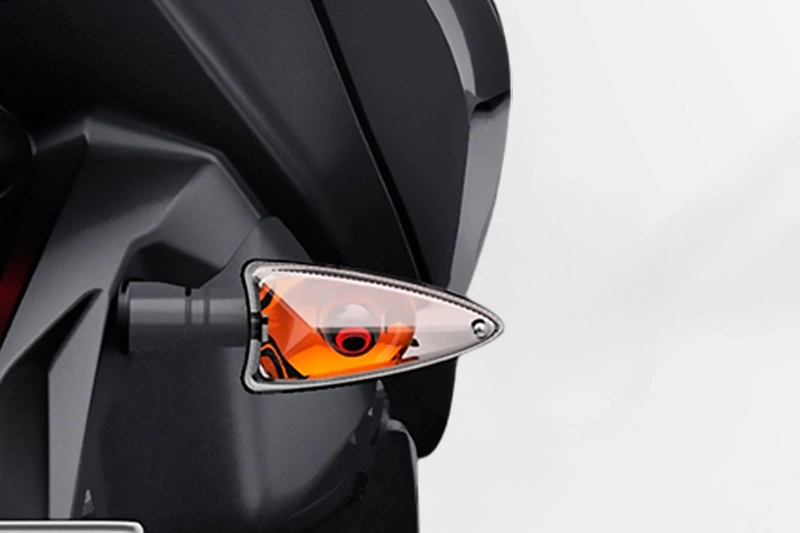
| Turn Signal Lamp | Bulb |
| Low Fuel Indicator |
Features & Safety
| Pass Switch | |
| Tachometer | Digital |
| Real Time Mileage Indicator | |
| Service Due Indicator | |
| Braking Type | Combi Brake System |
| hazard warning indicator | |
| high beam indicator | |
| malfunction indicator | |
| no of tripmeters | 2 |
Features
| Instrument Console | Digital |
| Speedometer | Digital |
| Tripmeter | Digital |
| Seat Type | Single |
| Clock | |
| Passenger Footrest | |
| Underseat Storage | |
| Odometer | Digital |
| Body Graphics | |
| Usb Charging Port | |
| Passenger Backrest | |
| carry hook | |
| engine temperature indicator |
Underpinnings
| Suspension Front | Front fork with 30 mm inner tube |
| Suspension Rear | Mono shock absorber |
| Brakes Front | Disc |
| Brakes Rear | Drum |
| Tyre Size | Front :-120/70-14, Rear :- 120/70-14 |
| Wheel Size | Front :-355.6 mm, Rear :-355.6 mm |
| Wheels Type | Alloy |
| Tubeless Tyre | 1 |
| Frame | Tubular chassis with open single cradle |
| first service | 250-750 Kms/15-30 Days |
| second service | 2500-3000 Kms/75-90 Days |
| third service | 5500-6000 Kms/165-180 Days |
| fourth service | 8500-9000 Kms |
| caliper front piston | 2 |
| Tyre Type | Tubeless |
Warranty
| Vehicle Warranty | 5 Years or 60,000 Km |
Aprilia SR 125 Price in Cities
₹ 1.30 Lakh - 1.30 Lakh
₹ 1.31 Lakh - 1.31 Lakh
₹ 1.28 Lakh - 1.28 Lakh
₹ 1.31 Lakh - 1.31 Lakh
₹ 1.28 Lakh - 1.28 Lakh
₹ 1.32 Lakh - 1.32 Lakh
₹ 1.29 Lakh - 1.29 Lakh
₹ 1.26 Lakh - 1.26 Lakh
₹ 1.32 Lakh - 1.32 Lakh
₹ 1.41 Lakh - 1.41 Lakh
Popular Brands





Aprilia SR 125 Comparisons
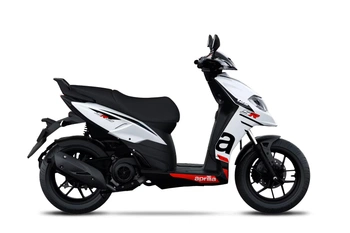
Aprilia SR 125
₹1.13 Lakh
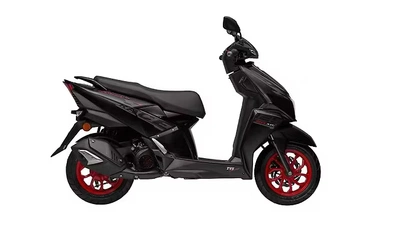
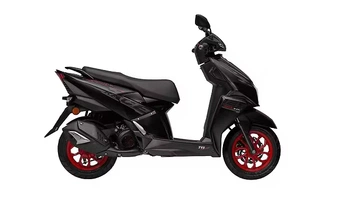
TVS NTORQ 125
₹82500 - 1.01 Lakh
Aprilia SR 125
₹1.13 Lakh
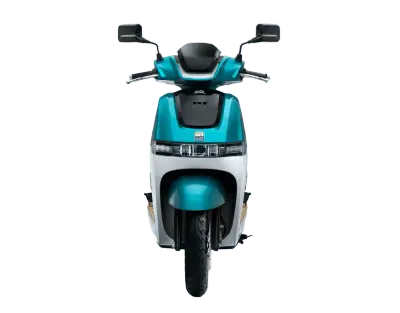
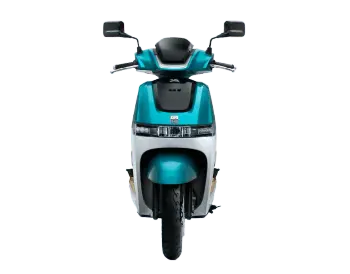
TVS iQube
₹1.15 - 1.48 Lakh
Aprilia SR 125
₹1.13 Lakh
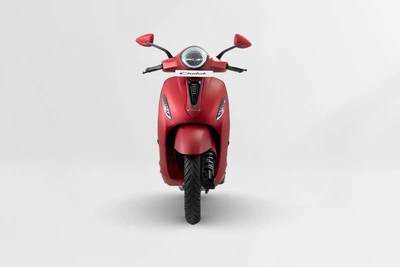
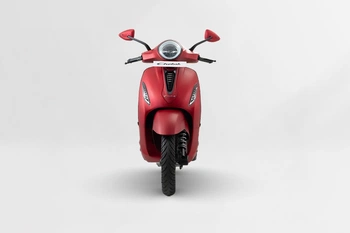
Bajaj Chetak
₹1.11 - 1.48 Lakh
Aprilia SR 125
₹1.13 Lakh
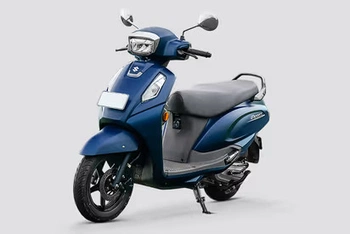
Suzuki Access 125
₹80585 - 1 Lakh
Aprilia SR 125
₹1.13 Lakh
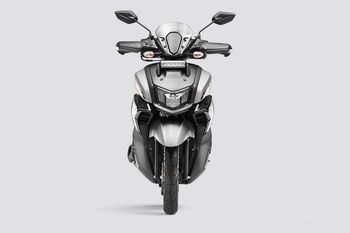
Yamaha RayZR 125 Fi Hybrid
₹76,960 - 89,760
Aprilia SR 125
₹1.13 Lakh
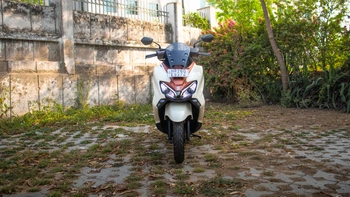
Suzuki Burgman Street
₹1.03 - 1.14 Lakh
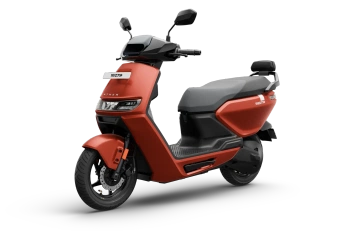
Aprilia SR 125
₹1.13 Lakh
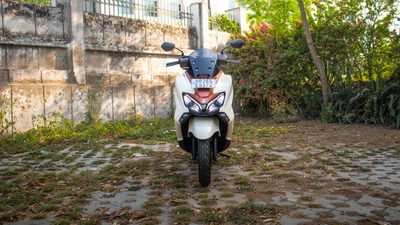
Ather Rizta
₹1.21 - 1.85 Lakh
Aprilia SR 125
₹1.13 Lakh
TVS NTORQ 125
₹82500 - 1.01 Lakh